Bergamot tea: the sour little Italian citrus behind Earl Grey that most of us have never seen
Earl Grey is one of Britain’s best-known teas, yet the fruit that flavours it rarely reaches our shops. Meet bergamot, the star of Azercay Bergamot black tea.
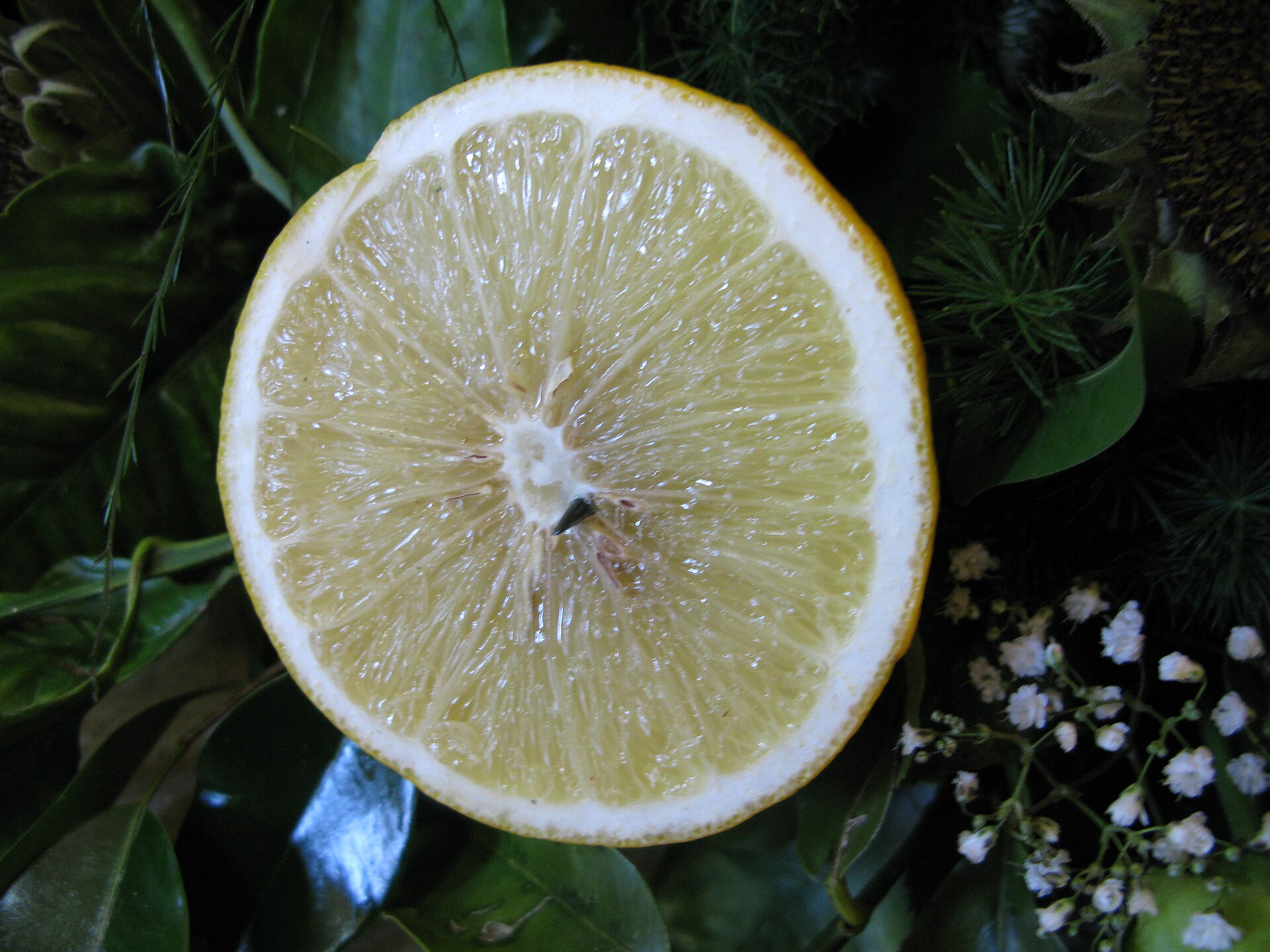
Open a tin of Earl Grey and the first thing you notice is the smell. Bright, floral, a little like lemon and a little like lavender. That is bergamot, and it is one of the most recognisable aromas in the British kitchen.
At Azercay, bergamot is one of our favourite flavours. Azercay Bergamot pairs black tea from Azerbaijan with that bright citrus perfume, and it is a natural choice for anyone who loves Earl Grey. Yet ask most of us what a bergamot actually looks like, and we would struggle. So here is the story of the fruit, where it grows, how it ended up in our tea, and why a cup of Azercay Bergamot is such a lovely thing on a grey afternoon.
What is bergamot?
Bergamot, or Citrus bergamia, is a citrus fruit about the size of an orange. It ripens from green to yellow and looks a bit like a lumpy lime or a small grapefruit. Botanists describe it as a cross between bitter orange, the kind used in marmalade, and lemon.
You wouldn’t want to peel and eat one. The juice is sour and bitter, so the fruit is grown almost entirely for the essential oil in its peel. That oil goes into perfume, cosmetics, sweets and, most famously, tea.
Where does bergamot grow?
Almost all of it grows in one place. More than 90% of the world’s bergamot comes from the southern coast of Calabria, the toe of Italy’s boot, around the city of Reggio Calabria. The fruit is so linked to the area that its essential oil has protected status, much like Champagne or Stilton. Smaller amounts grow in Greece, Morocco, Ivory Coast, Argentina, Brazil and Iran.
What about Azerbaijan? Our country’s warm, wet south around Lankaran and Astara is citrus country, with mandarins, lemons and oranges growing alongside the tea gardens. Bergamot itself, though, is still overwhelmingly an Italian fruit, and that is where the best bergamot oil comes from.
Where does the name come from?
The name is usually traced to Bergamo, a town in northern Italy. There is a fun twist for anyone who knows Azerbaijani. A different fruit, the bergamot pear, takes its name from the Ottoman Turkish beg armudi, the “lord’s pear”. Armud means pear in Azerbaijani too, which is why our pear-shaped tea glass is called an armudu.
What is the difference between Earl Grey and bergamot tea?
Less than you might think. Earl Grey is the traditional British name for black tea flavoured with bergamot. It isn’t a protected recipe, so the tea underneath, the strength of the bergamot and even the type of flavouring vary a great deal from one packet to the next. Bergamot black tea is the same idea, simply named after the fruit, and Azercay Bergamot is the Azerbaijani take on it.
| Earl Grey | Azercay Bergamot | |
|---|---|---|
| What it is | A style name for black tea flavoured with bergamot | Black tea flavoured with bergamot, under its plain name |
| The tea underneath | Varies by brand, and traditionally a China black tea | Black tea blended by Azercay in Azerbaijan |
| Where you will find it | On almost every supermarket shelf, usually in tea bags | Made in Azerbaijan, and sold in the UK on Amazon |
| How it is drunk | With or without milk, often with lemon | Usually without milk, from a small glass, often with lemon or jam |
So who was Earl Grey?
The tea is usually linked to Charles Grey, the 2nd Earl Grey, who was Prime Minister in the 1830s. The most famous story says a grateful Chinese mandarin gave him the recipe after one of his men saved the mandarin’s son from drowning. It is almost certainly a legend. Lord Grey never went to China, and scenting tea with bergamot wasn’t a Chinese practice at the time.
The Grey family tell a gentler version. They say the blend was made to suit the hard, limey water at Howick Hall, their home in Northumberland, and that Lady Grey served it so often in London that guests asked where to buy it.
The real history has a cheekier start. The earliest known mention of bergamot-flavoured tea dates from 1824, and in 1837 one company was even taken to court for secretly adding bergamot to make ordinary tea seem posher. Two centuries later, bergamot tea is a classic in its own right.
Five things you probably didn’t know about bergamot
1. It is a classic ingredient of eau de Cologne
Bergamot oil is one of the classic ingredients of eau de Cologne, and perfume makers still use it widely. That fresh, sparkling first sniff of many fragrances is often bergamot.
2. Its oil reacts with sunshine
Pure bergamot oil contains bergapten, a natural compound that makes skin far more sensitive to sunlight. In 1916, a doctor described patches of dark pigment on people who had dabbed on eau de Cologne before going out in the sun. Doctors later called it “berloque dermatitis”, after the pendant-like shapes the marks could make. These days perfumers use a specially treated bergamot oil with the bergapten removed. This is about oil on your skin, not tea in your cup.
3. A man once drank so much Earl Grey that it made medical history
In 2002, The Lancet published the case of a 44-year-old man who switched to Earl Grey and was drinking up to 4 litres a day. He developed muscle cramps, and the doctor suspected the bergapten. When he cut back, the cramps went away, and they stayed away as long as he drank no more than a litre of Earl Grey a day. That is still several generous mugs, so a normal pot is nothing to worry about.
4. There is a flower called wild bergamot, and it isn’t related
Gardeners may know bee balm, or Monarda, which is also called wild bergamot. It belongs to the mint family, the same family as thyme, and earned the name simply because its leaves smell similar. If you like herbal teas, we have written about the surprising world of thyme too.
5. The smell may help you relax
In a 2015 study, 41 women breathed in bergamot oil vapour for 15 minutes. Their levels of cortisol, a stress hormone, were lower afterwards, and they reported fewer negative feelings and less tiredness. It is a small study, but it fits with what many of us feel when we lift the lid on a fresh pot.
What are the benefits of bergamot tea?
- A lift for the senses. Bergamot’s bright aroma is a big part of why a pot of Azercay Bergamot feels so cheering, and the 2015 study above suggests the effect may be more than just in our heads.
- Heart health research. Bergamot has attracted lots of research interest for cholesterol. A 2020 review of 12 studies found that most reported falls in total and LDL cholesterol, and a 2026 analysis of nine trials found small improvements in blood pressure and blood sugar. These studies used concentrated bergamot supplements, which contain far more than a cup of tea.
- The goodness of black tea. A study of nearly half a million UK Biobank volunteers found that people drinking two or more cups of tea a day had a 9% to 13% lower risk of death over about 11 years than non-drinkers. It shows a link rather than proof, and we are happy to raise a cup to it.
- Flavour without sugar. Bergamot gives Azercay’s black tea so much character that many people find they don’t need milk or sugar at all.
Try Azercay Bergamot black tea
Azercay Bergamot is loose leaf black tea from Azerbaijan, flavoured with bergamot and sold in a 100 g pack. It brews a clear, reddish cup with a bright citrus perfume, and it is smooth enough to drink without milk. If you already love Earl Grey, think of it as a cousin from the Caucasus.
How do you brew bergamot black tea?
- Warm the pot. Swirl a little hot water round a teapot, then tip it out.
- Add the tea. Use 1 to 2 teaspoons per 200 ml cup.
- Pour on freshly boiled water. Filtered water helps the citrus notes shine if yours is very hard.
- Brew to taste. Around 4 to 5 minutes gives a lighter, fragrant cup. Go up to the 7 to 8 minutes on the pack for a strong one.
- Serve it your way. Try it plain in a small glass, Azerbaijani style, with a slice of lemon or a spoonful of jam on the side.
Our full brewing guide has photos, videos and winter recipes, and our guide to spotting a high-quality tea shows you what to look for in the leaf.
When is the best time for bergamot tea?
It is a natural afternoon tea, lively enough to wake you up and light enough to enjoy without milk. It also loves food: try it with lemon cake, shortbread, scones or a slice of something with orange in it. As it contains caffeine, most people will want their last pot a few hours before bed.

Frequently asked questions
What is bergamot?
Bergamot is a small citrus fruit, about the size of an orange and green to yellow in colour. It is too sour and bitter to eat like an orange, so it is grown mainly for the fragrant oil in its peel. That oil is what flavours bergamot tea and Earl Grey.
Is bergamot tea the same as Earl Grey?
Very close. Earl Grey is the traditional British name for black tea flavoured with bergamot. Bergamot black tea is the same idea, and the main differences come from the black tea used underneath and how much bergamot goes in.
What does bergamot tea taste like?
Like a good black tea with a bright, floral, slightly sharp citrus perfume on top. Many people say it is somewhere between orange, lemon and lavender. Azercay Bergamot is smooth enough to drink without milk.
What are the benefits of bergamot tea?
It is a fragrant, low-calorie black tea that many people find lifts their mood. Research on concentrated bergamot extracts has found encouraging results for cholesterol, and studies of black tea drinkers in the UK have linked regular tea drinking with longer lives.
Does bergamot tea contain caffeine?
Yes, because it is made with black tea. The NHS estimates around 75 mg of caffeine in a cup of tea.
Can you drink too much Earl Grey or bergamot tea?
At normal amounts there is nothing to worry about. The one famous case involved a man drinking around 4 litres a day, and his symptoms stopped when he cut back to 1 litre or less.
Does bergamot grow in Azerbaijan?
Azerbaijan grows plenty of citrus in its warm, wet south around Lankaran and Astara, including mandarins, lemons and oranges, in the same region as its tea gardens. Bergamot itself is grown mainly in Calabria, in southern Italy.
How do you brew loose leaf bergamot tea?
Use 1 to 2 teaspoons per 200 ml of freshly boiled water in a warmed teapot. Brew for 4 to 5 minutes for a lighter cup, or up to the 7 to 8 minutes the pack suggests for a strong one.
Where can I buy Azercay bergamot tea in the UK?
Azercay Bergamot Black Tea, a 100 g loose leaf pack, is available on Amazon UK.
Next time you catch that bright citrus scent from a teapot, picture a small, sour fruit ripening on the coast of southern Italy. Then pour yourself another cup of Azercay Bergamot.
This article is general information about a food and its history. It is not medical advice, and our teas are not intended to diagnose, treat or prevent any condition.
Where our facts come from (11 sources)
Bergamot oil review (Frontiers in Pharmacology, 2015) · Bergamot orange (Wikipedia) · Earl Grey tea history (Wikipedia) · Earl Grey case report (The Lancet, 2002) · Perfume and sunlight case (Archives of Pediatrics, 2002) · Bergamot aroma and mood (2015) · Bergamot and cholesterol review (Critical Reviews in Food Science, 2020) · Bergamot supplement trials (Food Science & Nutrition, 2026) · UK Biobank tea study (Annals of Internal Medicine, 2022) · Citrus in Azerbaijan (Azernews) · Caffeine guidance (NHS)