Black tea with thyme: the herb that turns up in mouthwash, beehives and the comeback of a lost British butterfly
Thyme is the small grey-green herb at the back of your spice rack. It is also one of the most fascinating plants you could ever put in a teapot.
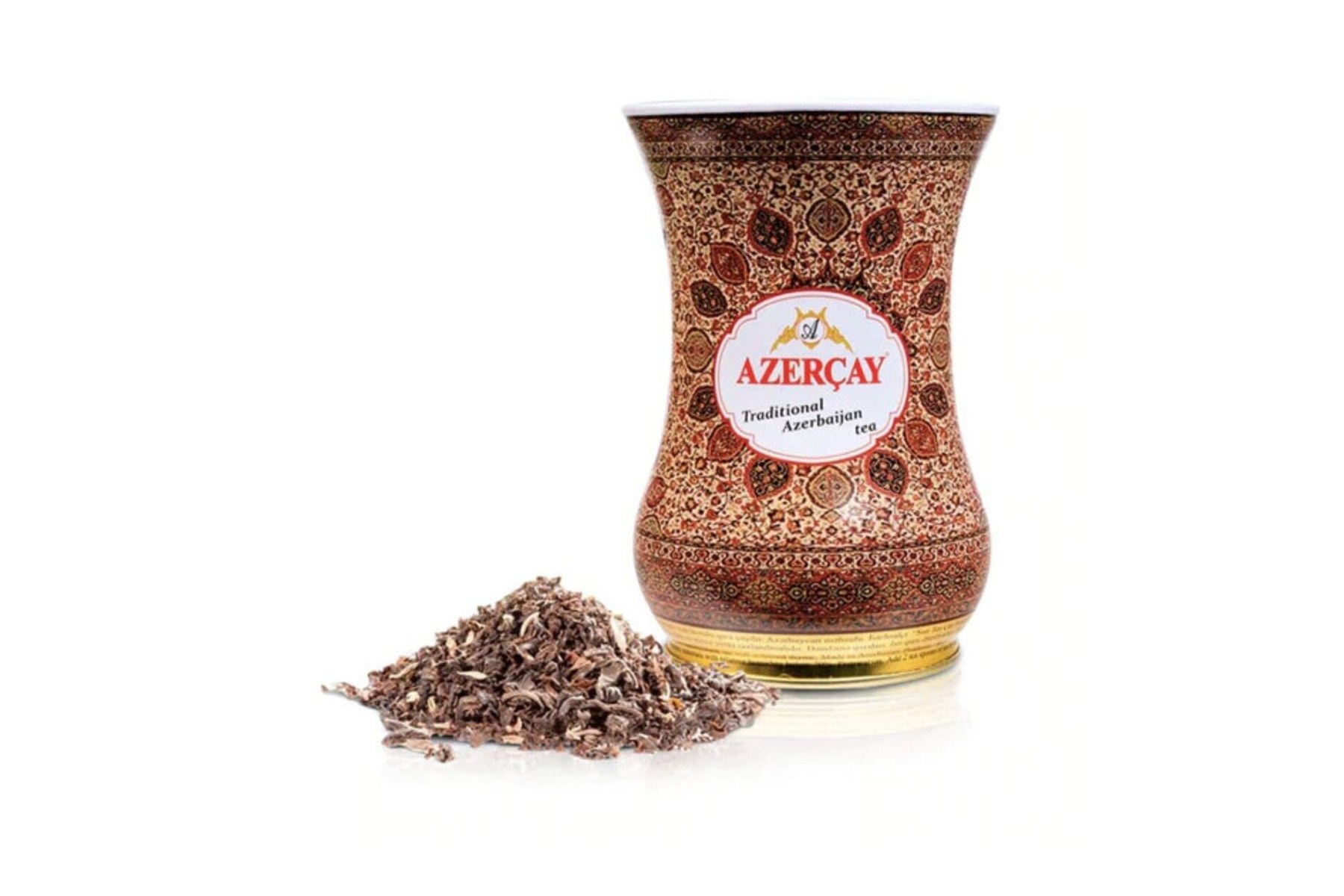
In Britain, thyme belongs in the stuffing. In Azerbaijan, it also goes in the teapot. Mix it with black tea and you get a warm, gently savoury cup that smells a bit like a hillside in summer, which is a very pleasant thing to have in your hands in November.
We started reading up on thyme to write a short guide to this tea. Then we found the butterfly, the mouthwash, the beehives and the plant evolving in front of scientists, and the guide got longer.
What is thyme?
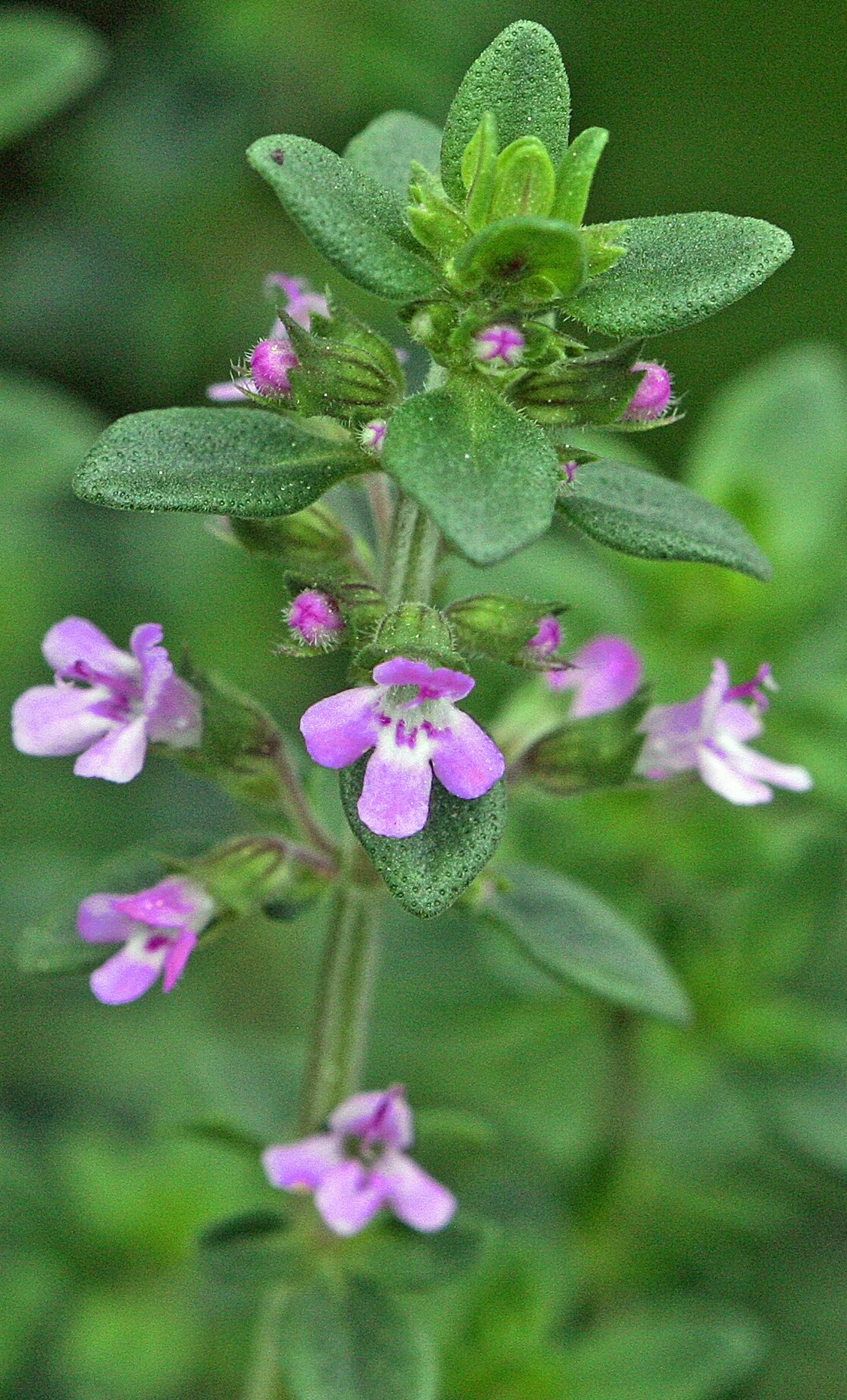
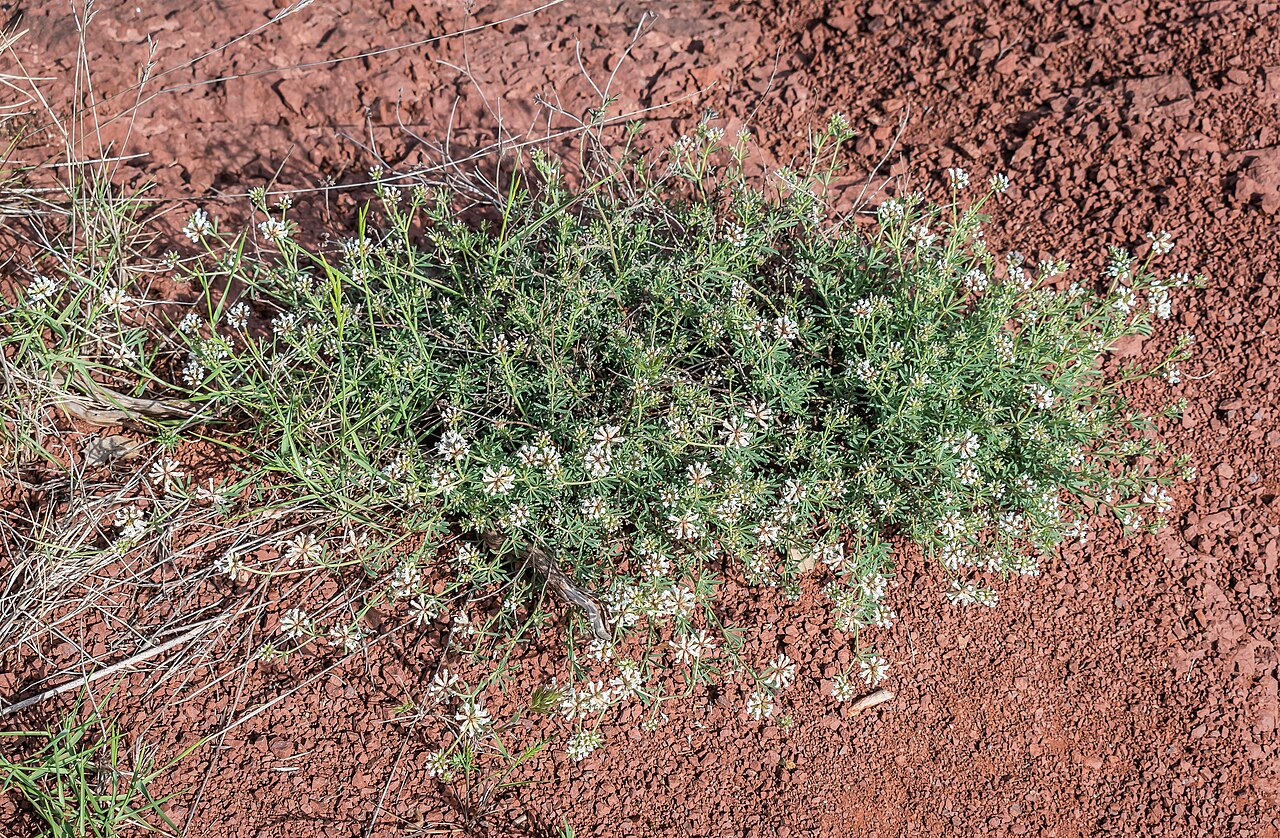
Thyme is a low, woody herb in the mint family, native to the Mediterranean. There are many species. Common or garden thyme is Thymus vulgaris, and it is the plant most of the research below is about.
Its flavour comes from an oil stored in tiny glands on the leaves and flowers. The star of that oil is thymol, a compound that makes up somewhere between 10% and 64% of thyme oil. When you rub a sprig between your fingers and your hand smells of Sunday lunch, that is largely what you are smelling.
Why does thyme taste so good in black tea?
Good black tea has depth and a little grip on the tongue, but not much in the way of herbal aroma. Thyme fills that gap. It brings a savoury, slightly peppery note that lifts the malty base of the tea, and the two seem to finish each other’s sentences. That part is our opinion, and your taste buds get the final say.
There is some interesting science behind the sensation, though. A 2006 study in Nature Neuroscience found that thymol strongly switches on TRPV3, a sensor in cells of the skin, tongue and nose that responds to warmth. The tests were done in the lab, and nobody has measured this in a cup of tea. Still, it may be part of why thyme tastes warming on top of the warmth of the water.
And that aroma does reach your cup. When Turkish researchers analysed pure thyme tea made with freshly boiled water, they identified 27 aroma compounds, with thymol by far the most abundant. Their taste panel preferred the tea with almost no steeping at all, which is a useful clue. Thyme is punchy, so a little goes a long way.
Five surprising things about thyme
1. A lost British butterfly depends on it
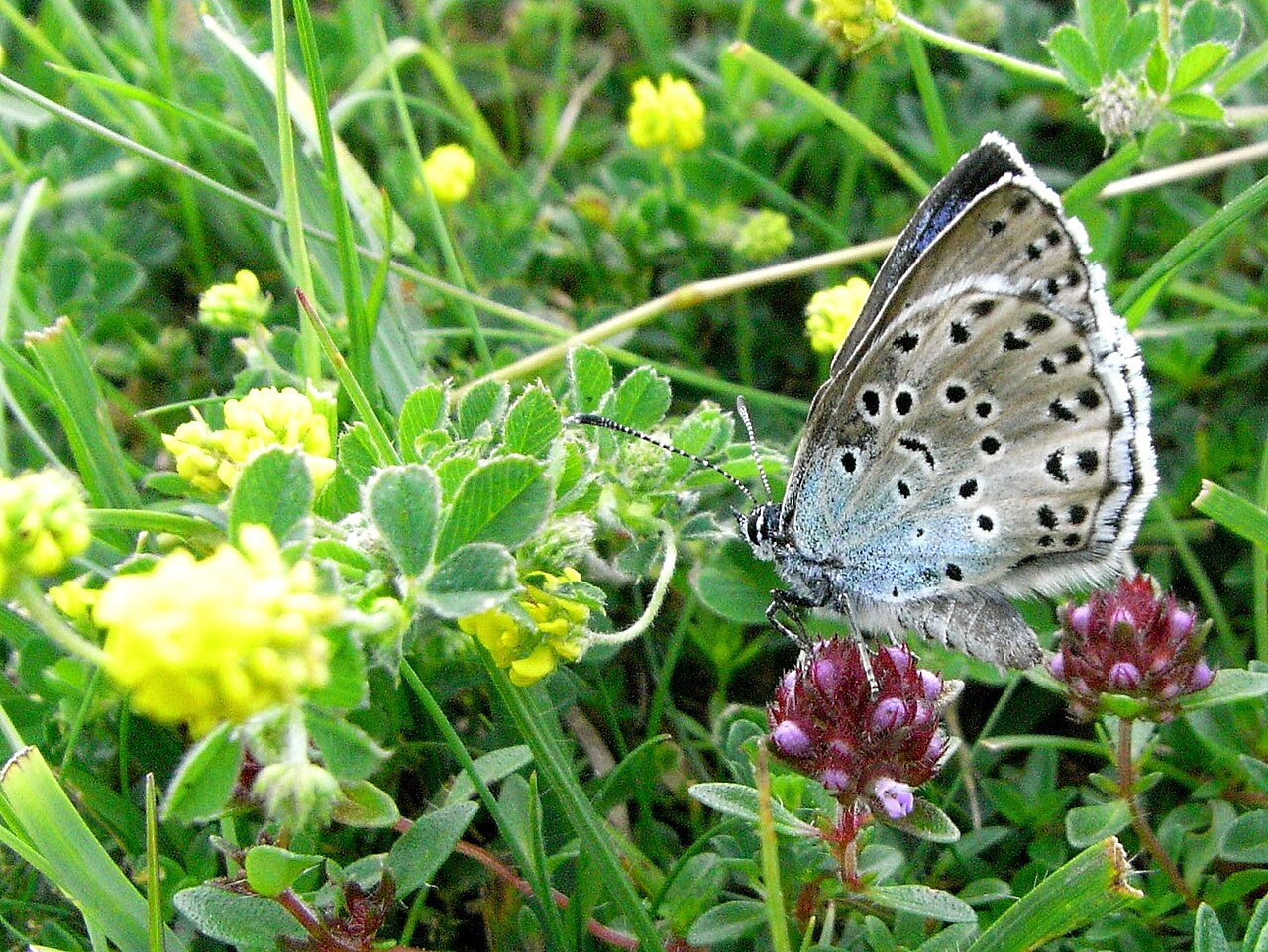
The large blue butterfly lays its eggs on wild thyme or marjoram. Its caterpillars feed on the flower heads for a few weeks, then drop to the ground. What happens next sounds like science fiction: a red ant, Myrmica sabuleti, carries the caterpillar into its nest, where it spends most of the year eating the ant’s own grubs.
The large blue went extinct in Britain in 1979, and the cause turned out to be remarkably subtle. Oxford scientist Jeremy Thomas and colleagues showed that small changes in grazing had altered the turf, and the right species of ant was replaced by similar ones that were no use to the butterfly. Restoring the grazing and reintroducing butterflies from Sweden brought it back. Their work, published in Science, tracked the recovery of the butterfly and its ants at 78 sites.
2. Scientists have watched it evolve in about 40 years
Thyme plants come in different chemical types, and some cope with hard frosts better than others. Types rich in phenols, such as thymol, are sensitive to freezing. In the early 1970s, researchers mapped where each type grew across a landscape in southern France. Decades later, they went back.
In 17 of the 24 populations where the coldest winter temperatures had risen above the killing point, the frost-sensitive types had become more common. In other words, the chemistry of a wild herb had shifted along with the climate, within a single human career. The results appeared in PNAS in 2013.
3. One species comes in six chemical “flavours”
Two thyme plants can look identical and smell different. In southern France, six types of Thymus vulgaris are recognised, each with a different main aroma compound. The effect may even reach the neighbours. In a glasshouse experiment using soil from under thyme plants, grass from sites dominated by some thyme types did best on soil from under the thyme at its home site. The authors called this preliminary evidence that the grass had adapted to its local thyme.
4. It has been hiding in your bathroom cabinet
Thymol is one of the four active ingredients listed on the US label for Listerine Original, at 0.064%. It is also in some other antiseptic products. A 2015 analysis of 29 trials, all funded by industry, found that adding this kind of mouthwash to brushing and flossing cut plaque by about 28% and gingivitis by about 16% over six months. That is a carefully formulated product you swish and spit, so please don’t expect the same from a cup of tea.
5. Beekeepers use it to protect their hives
Varroa mites are one of the biggest headaches in beekeeping, and thymol is one of the treatments. The UK’s Veterinary Medicines Directorate lists Thymovar, a beehive strip containing 15 g of thymol, for treating varroa in honey bees.
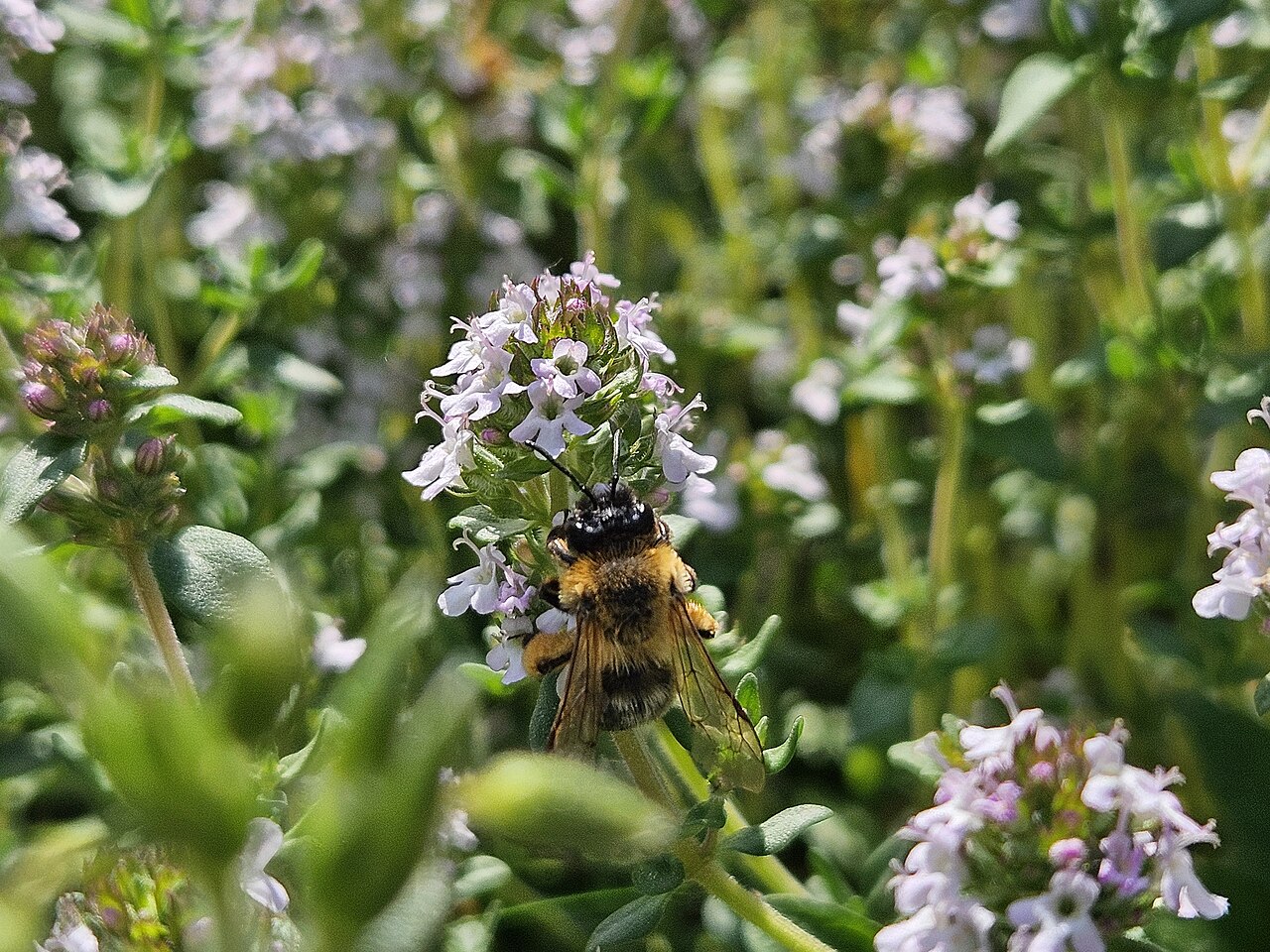
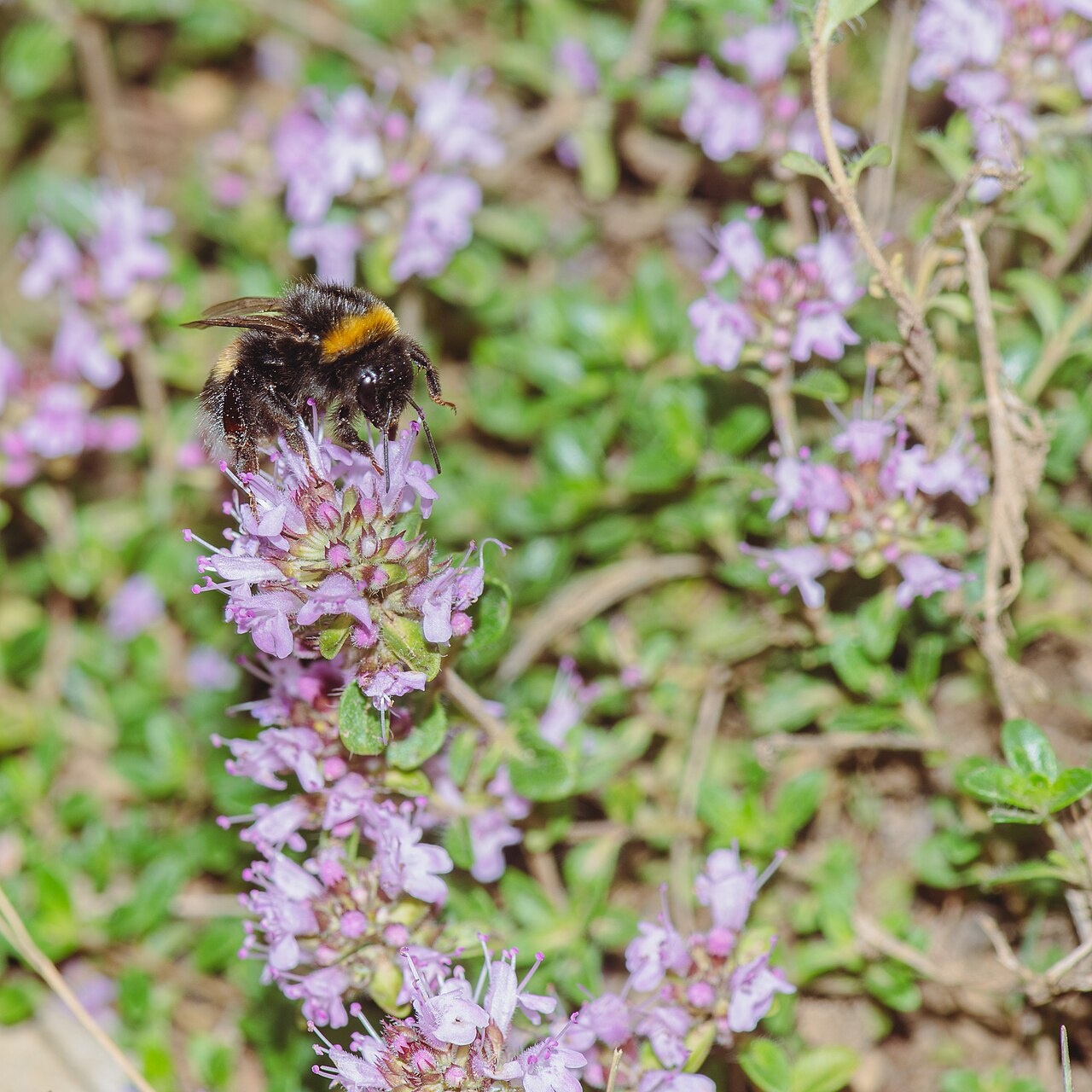
Wild bees may benefit from the real thing. In lab cultures, a 2016 study found that thymol slowed the growth of a common bumblebee gut parasite at concentrations of 4.5 to 22 parts per million. Thyme nectar averages about 5.2. The authors suggest flowers like these could help to reduce infection in the wild, although that part remains to be proven.
What are the benefits of thyme? What the research does and doesn’t show
All of this makes for great reading, so it is tempting to claim that thyme tea does everything. It doesn’t, and we would rather be straight with you. Here is how the evidence stacks up.
- Coughs. This is thyme’s best supported use, as a medicine. In a trial of 361 adults with acute bronchitis, a syrup of thyme and ivy extracts cut coughing fits by 68.7%, against 47.6% with a dummy syrup. That was a combination product, so it can’t tell us about thyme alone. The European Medicines Agency accepts thyme medicines, herbal teas among them, for chesty coughs with colds, based on long traditional use rather than strong trial evidence.
- Germs. Thymol has well-documented antiseptic properties in the lab and in products like mouthwash. No research we can find shows that drinking thyme tea has this effect in your body.
- Antioxidants. Thyme tea contains plant compounds called polyphenols, including rosmarinic acid. In one test-tube study, thyme tea helped protect human LDL cholesterol from damage. That is a long way from showing the same thing happens after you drink it.
- Inflammation. Results are mixed. In lab and animal models, thyme oil calmed some signs of inflammation, while pure thymol on the skin actually caused irritation. Oil is also far more concentrated than tea.
- Black tea. Here is some good news for tea lovers. A study of 498,043 UK Biobank participants, followed for about 11 years, found that people drinking two or more cups of tea a day had a 9% to 13% lower risk of death than non-drinkers. Black tea is what most of the UK drinks, so that is a lovely finding to read over a cuppa. It shows a link rather than proof, but we will happily drink to it.
In short, this is a delicious drink made from two plants with a remarkable scientific story.
When is the best time to drink black tea with thyme?
- Cold, dark afternoons. This is its natural habitat. It is a very good reason to put the kettle on after a wet walk.
- When you are feeling bunged up. Researchers at Cardiff University’s Common Cold Centre found that a hot fruit drink gave 30 people with colds or flu quick relief from symptoms, although some of that may be placebo. That study used a fruit drink and we make no such claim for our tea, but a hot cup is a comfort when you are under the weather.
- Earlier in the evening. It contains caffeine, around 75 mg a cup by the NHS estimate. If that keeps you awake, have your last pot well before bed.
A quick word of caution. Give it a miss if you are allergic to thyme or other members of the mint family. If you are pregnant, the NHS advises no more than 200 mg of caffeine a day, and it is worth checking with your midwife before drinking herbal blends regularly. If you take regular medication, ask your pharmacist.
Why is there thyme in some types of Azercay?
Because that is how many people in Azerbaijan like it. Tea is central to life there, and in some regions it is flavoured with thyme, ginger or cinnamon. Thyme, known locally as kəklikotu, or “partridge herb”, is especially well loved. In a 2026 survey of plant use in Zagatala, in the north-west of the country, Caucasian thyme was named by 96% of the people interviewed.
We haven’t found a reliable written history of exactly when black tea and thyme first met in Azerbaijan, so we won’t invent one. What we can say is that it was a natural pairing for a country with tea gardens in the south and thyme on its hillsides. The ingredients in our Azercay with thyme are refreshingly short: black tea and thyme.
If you are curious about the country’s tea traditions, we have written about pear-shaped glasses, samovars and the chaykhana.
Which Azercay with thyme should you try?
We sell two versions on Amazon UK. Both are 100 g of loose leaf black tea with thyme from Azerbaijan.
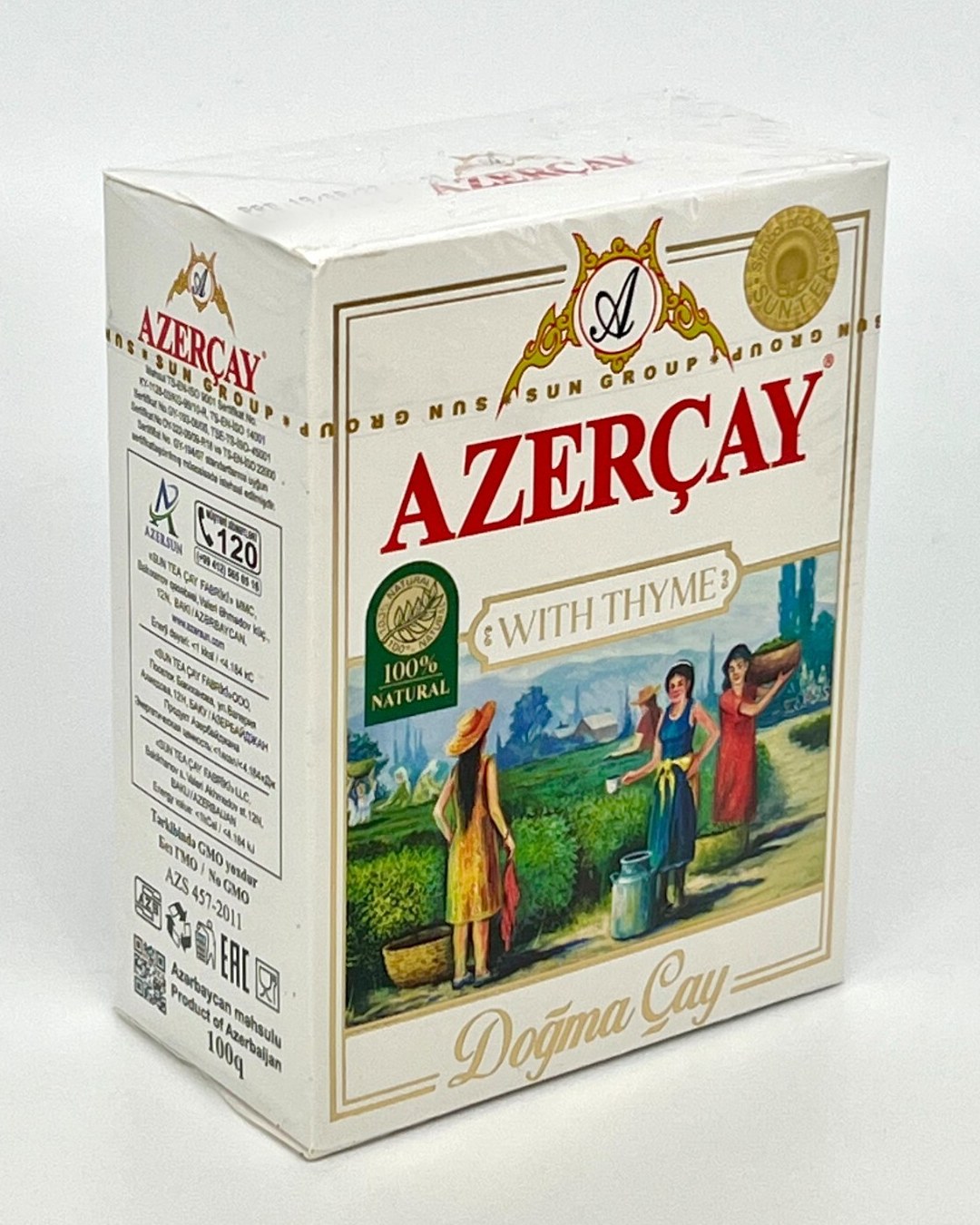
The everyday one: 100 g paper box
Loose leaf black tea with thyme in a simple box. This is the one to keep by the kettle.
Buy the 100 g box on Amazon
The gift: 100 g armudu tin
The same pairing of black tea and thyme in a collectable tin, shaped like an armudu tea glass and decorated with a carpet pattern.
Buy the armudu tin on AmazonHow do you brew black tea with thyme?
- Warm the pot. Swirl a little hot water round a teapot, then tip it out.
- Measure the tea. Use 1 to 2 teaspoons per 200 ml cup.
- Pour on freshly boiled water. Filtered water helps if yours is very hard.
- Brew for 3 to 5 minutes, then taste. Go up to 7 if you like it strong. Thyme is bold, so short brews let you find your level.
- Serve it the Azerbaijani way. Skip the milk and try it in a small glass with a slice of lemon, or a spoonful of jam on the side.
For photos, videos and some warming winter recipes, see our full guide to brewing Azercay. If you want to know what to look for in loose leaf tea, we have also explained how to spot a high-quality tea.

Frequently asked questions
What does black tea with thyme taste like?
It tastes like a smooth black tea with a warm, savoury, herbal lift. Thyme adds aroma more than bitterness, so it still drinks like proper tea. We would call it cosy rather than medicinal.
What are the benefits of thyme?
Thyme is a tasty, aromatic way to add flavour to food and drink, and its best known compound, thymol, kills or slows many microbes in lab tests. The European Medicines Agency accepts thyme medicines for chesty coughs with colds on the basis of long traditional use.
Does black tea with thyme contain caffeine?
Yes. Thyme itself is not a source of caffeine, but the black tea is. The NHS estimates around 75 mg in a cup of tea, so it is not a caffeine-free bedtime drink.
When is the best time to drink tea with thyme?
We like it on cold afternoons and early evenings, or when you fancy something warming and a bit different. If you are sensitive to caffeine, have your last pot well before bed.
Who should avoid thyme tea?
Avoid it if you are allergic to thyme or other plants in the mint family. If you are pregnant, breastfeeding, taking medication or managing a health condition, check with your midwife, GP or pharmacist first.
How do you brew loose leaf black tea with thyme?
Use 1 to 2 teaspoons per 200 ml of freshly boiled water, in a warmed teapot. Brew for 3 to 5 minutes, taste it, and go longer if you like it stronger. In Azerbaijan it is usually served without milk, often with lemon or a spoonful of jam on the side.
Where can I buy Azercay with thyme in the UK?
Azercay Black Tea with Thyme is available on Amazon UK in two versions: a 100 g paper box for everyday drinking, and a 100 g gift tin shaped like a traditional armudu tea glass.
Is Azercay the same as Azerchai?
Yes. Azerçay is the Azerbaijani spelling, and it means Azerbaijani tea. In English you will see it written as Azercay, Azerchay and Azerchai.
Next time you reach for the thyme, spare a thought for the butterfly, the bees and those French hillsides. Then put the kettle on.
This article is general information about a food and its history. It is not medical advice, and our teas are not intended to diagnose, treat or prevent any condition.
Where our facts come from (21 sources)
Large blue comeback (Science, 2009) · Large blue factsheet (Butterfly Conservation) · Thyme and climate (PNAS, 2013) · Thyme and grasses (Oecologia, 2004) · Thymol and warmth sensors (Nature Neuroscience, 2006) · Thyme tea aromas (J Food Measurement, 2018) · Thymol review (Arabian J Chemistry, 2020) · Thyme review (Phytotherapy Research, 2018) · Listerine label (DailyMed) · Mouthwash trials (JADA, 2015) · Thymovar beehive strips (VMD) · Bumblebee parasites (Scientific Reports, 2016) · Thyme medicines (EMA) · Thyme and ivy syrup trial (2006) · Thyme tea antioxidants (IJFSN, 2007) · Thymol and inflammation (2012) · UK Biobank tea study (Annals of Internal Medicine, 2022) · Hot drinks and colds (Rhinology, 2008) · Caffeine in pregnancy (NHS) · Plant use in Zagatala (Biodiversitas, 2026) · Azerbaijan tea culture (WUF13)