What makes a high-quality tea? Why leaf size matters, and how to spot large leaf tea
Tip a teaspoon of tea onto a white plate and it will tell you a surprising amount. Here is what to look for, and why the size of the leaf changes what ends up in your cup.

Most of us choose tea by the name on the box. Yet the most useful clue to what is inside is the tea itself, and hardly anybody looks at it, because in Britain it is usually sealed in a bag.
Open that bag and you will probably find something closer to coarse powder than to a leaf. Open a packet of large leaf tea and you will find long, dark, twisted strands that still look like part of a plant. Both make a cup of tea, but they behave quite differently in hot water.
What makes a high-quality tea?
Four things matter most, and they all happen long before the kettle goes on:
- The plant and the place. The tea bush, the soil, the climate and the altitude all shape the flavour.
- The picking. Careful plucking of young shoots gives better raw material than cutting everything in sight.
- The processing. Withering, rolling, oxidising and drying all take skill and good timing.
- What is left of the leaf. Whether the finished tea is long whole strands or fine particles.
You can’t taste a hillside from the supermarket aisle, and few of us have seen the factory. Leaf size is the one quality clue you can check for yourself, which is why this article spends so much time on it.
What does large leaf tea actually look like?
There is no single official measurement. Tea is graded by shaking it through mesh screens, and the screens vary from one country and factory to the next, so the sizes below are a guide for your eyes. The real test is simple: can you recognise a piece of leaf?
| Type | You may see it labelled | What you see with the naked eye | Usually found in |
|---|---|---|---|
| Large or whole leaf | OPA, OP | Long, twisted strands. You can pick up a single piece between finger and thumb, and many are longer than a grain of rice. | Loose leaf tea |
| Broken leaf | BOP | Small flakes around the size of a sesame seed. One Sri Lankan study sieved BOP between 1.6 and 3 mm. | Loose tea and blends |
| Fannings | BOPF | Coarse specks, like rough-ground pepper. The same study used 1.3 to 1.6 mm. | Most tea bags |
| Dust | D | Very fine, almost powdery particles under about 1.3 mm. | Tea bags |
| CTC | Cut, tear, curl | Hard, round, dark beads with no leaf shape left at all. | Tea bags and strong brews |
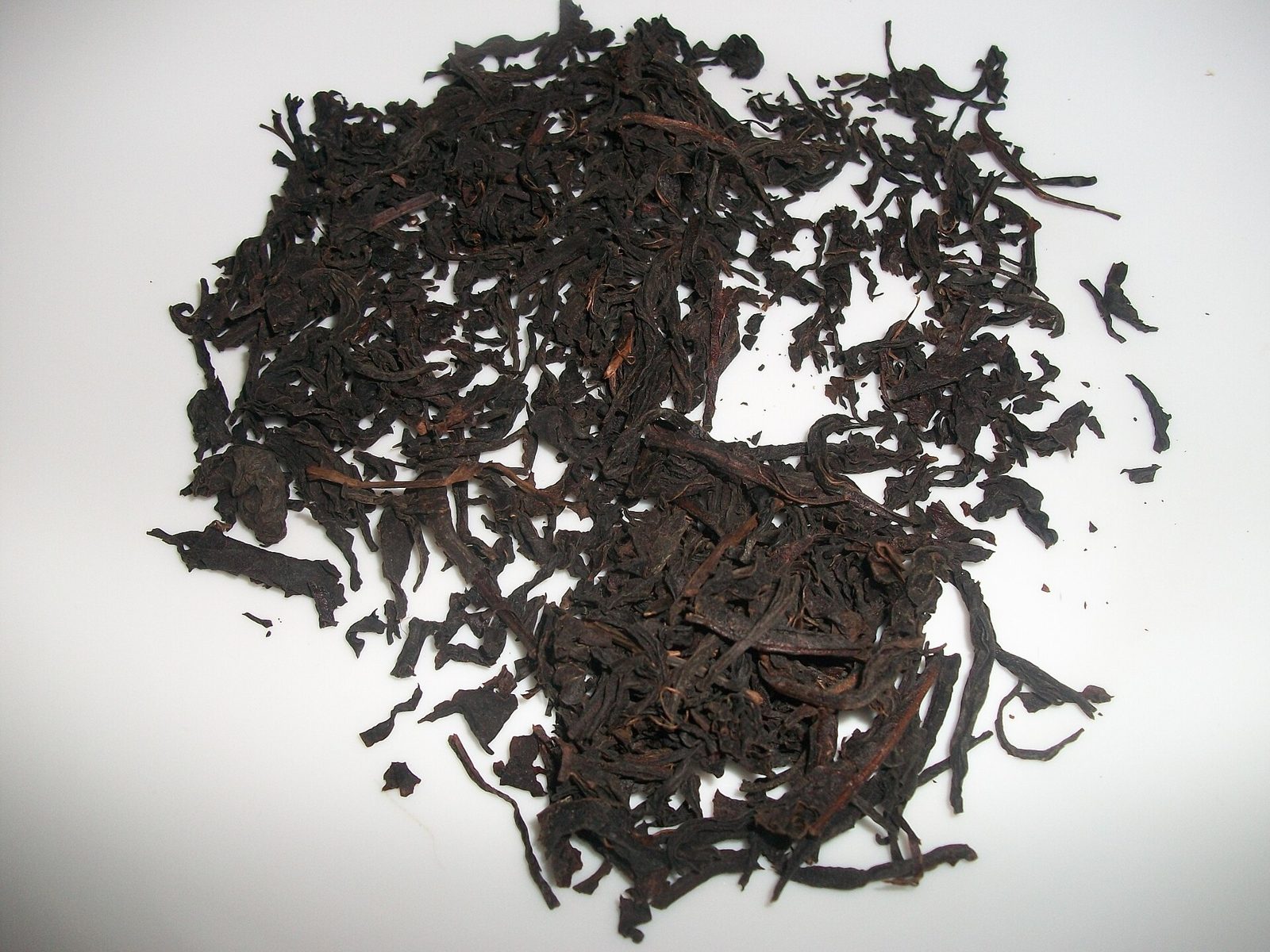
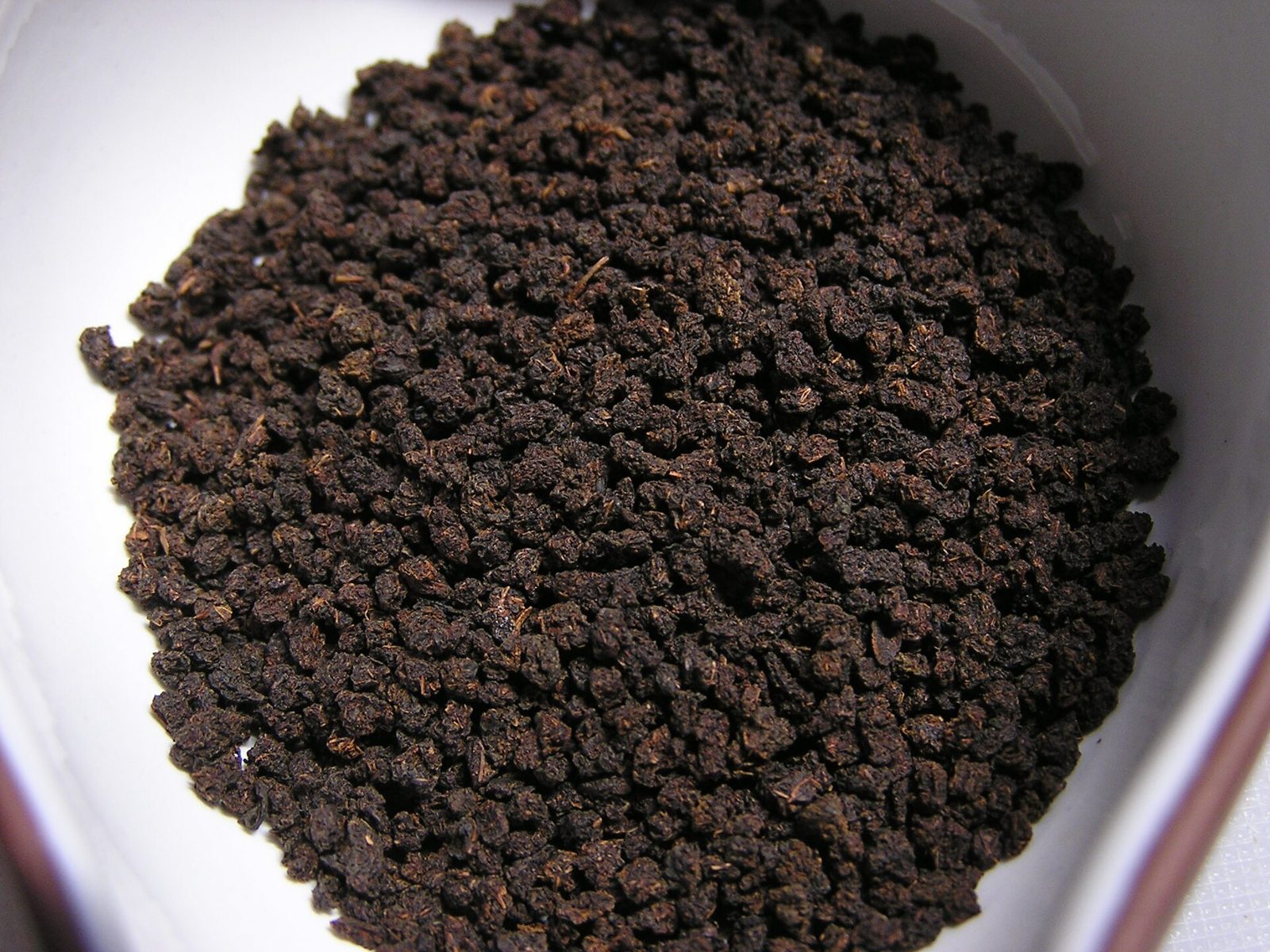
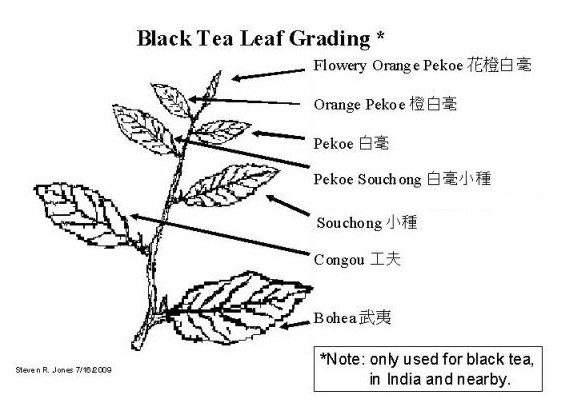
If you are wondering about the letters on the packet, Orange Pekoe (OP) is a whole leaf grade and has nothing to do with oranges. OPA is a bolder, longer version of it. Broken Orange Pekoe (BOP) is the same idea in smaller pieces, and fannings and dust are the smallest of all. CTC stands for cut, tear, curl, a machine process that turns leaf into those small round beads.
Does large leaf mean old leaf?
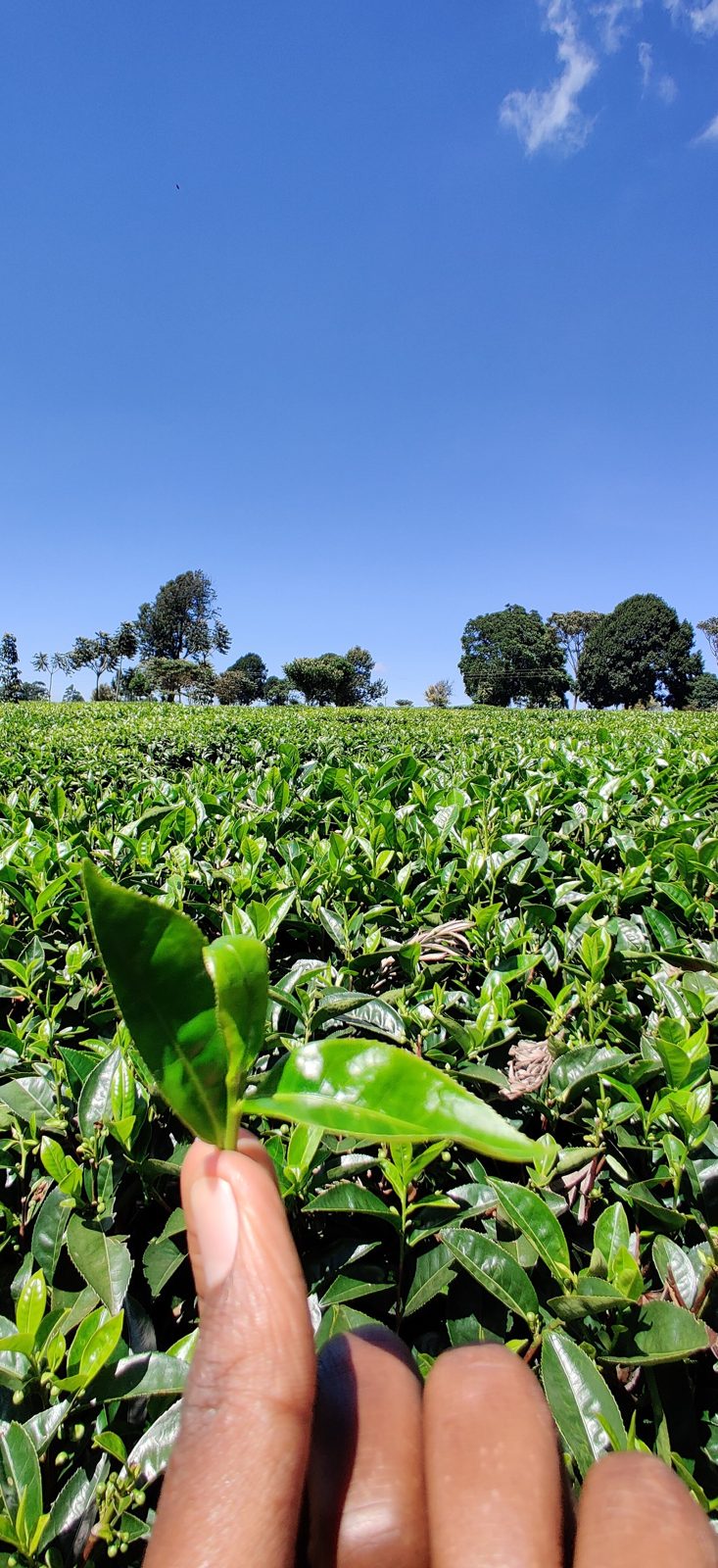
No, and this catches a lot of people out. A good black tea starts with the young tip of the shoot, the classic “two leaves and a bud”. Large leaf describes the size of the pieces after processing. A young leaf that stays whole makes a long strand, and that same young leaf chopped up becomes fannings.
What is infusion?
Infusion is the proper word for what happens in your teapot. Hot water draws the flavour, colour, aroma and caffeine out of the leaf and into the cup, and then the leaf gets left behind. You are making a kind of extract.
Time, temperature and the amount of tea all affect the result. Professional tasters keep those steady so they can compare teas fairly: the ISO 3103 tasting method uses 2 g of tea per 100 ml of boiling water and brews black tea for six minutes.
How does hot water bring tea back to life?
A finished tea leaf has had quite a journey. After picking it is left to wilt, then rolled to break open its cells so the juices come to the surface. Those juices react with the air, which is what turns the leaf dark, and hot air then dries it until it is crisp and only a little moisture remains. All that flavour is locked in place, ready and waiting.
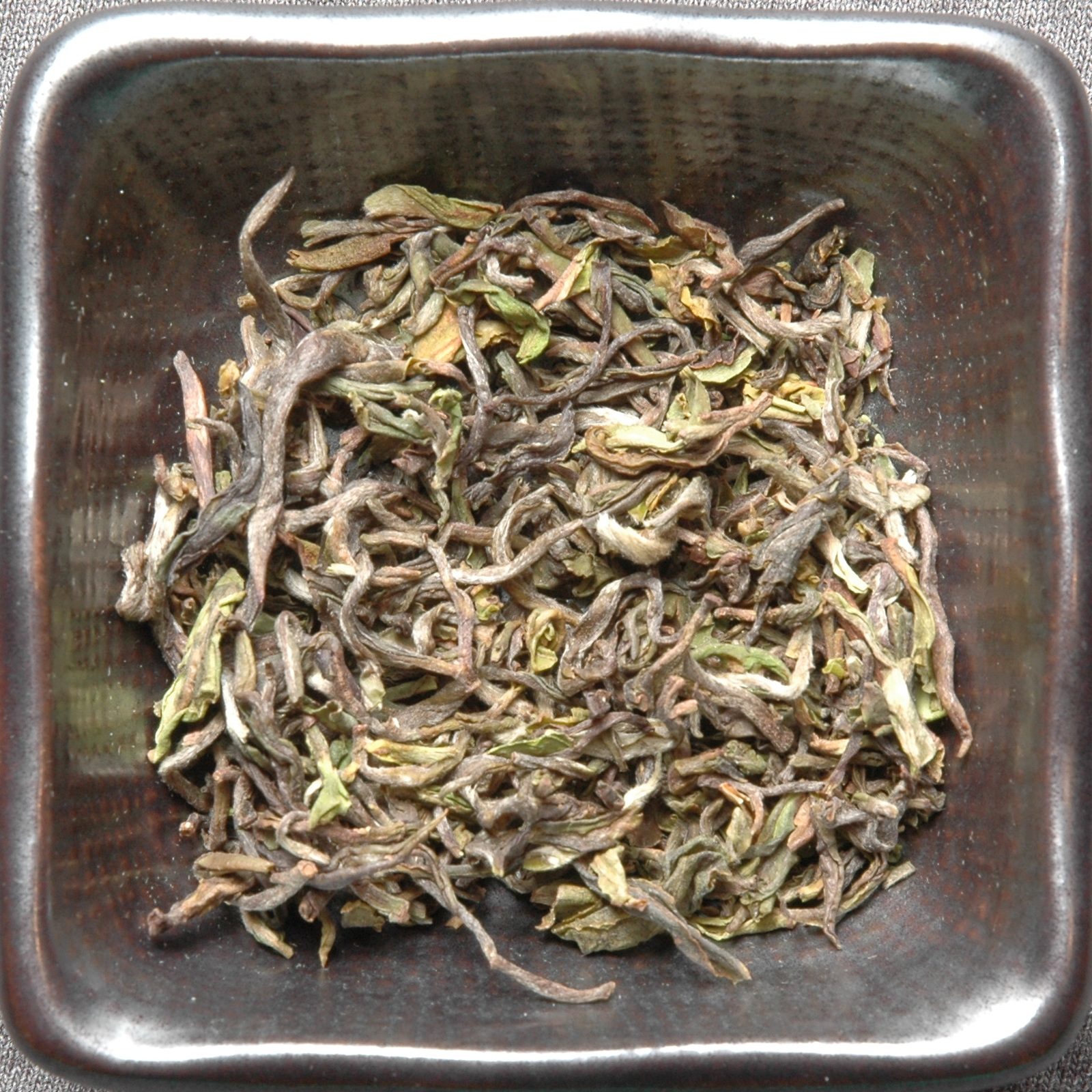
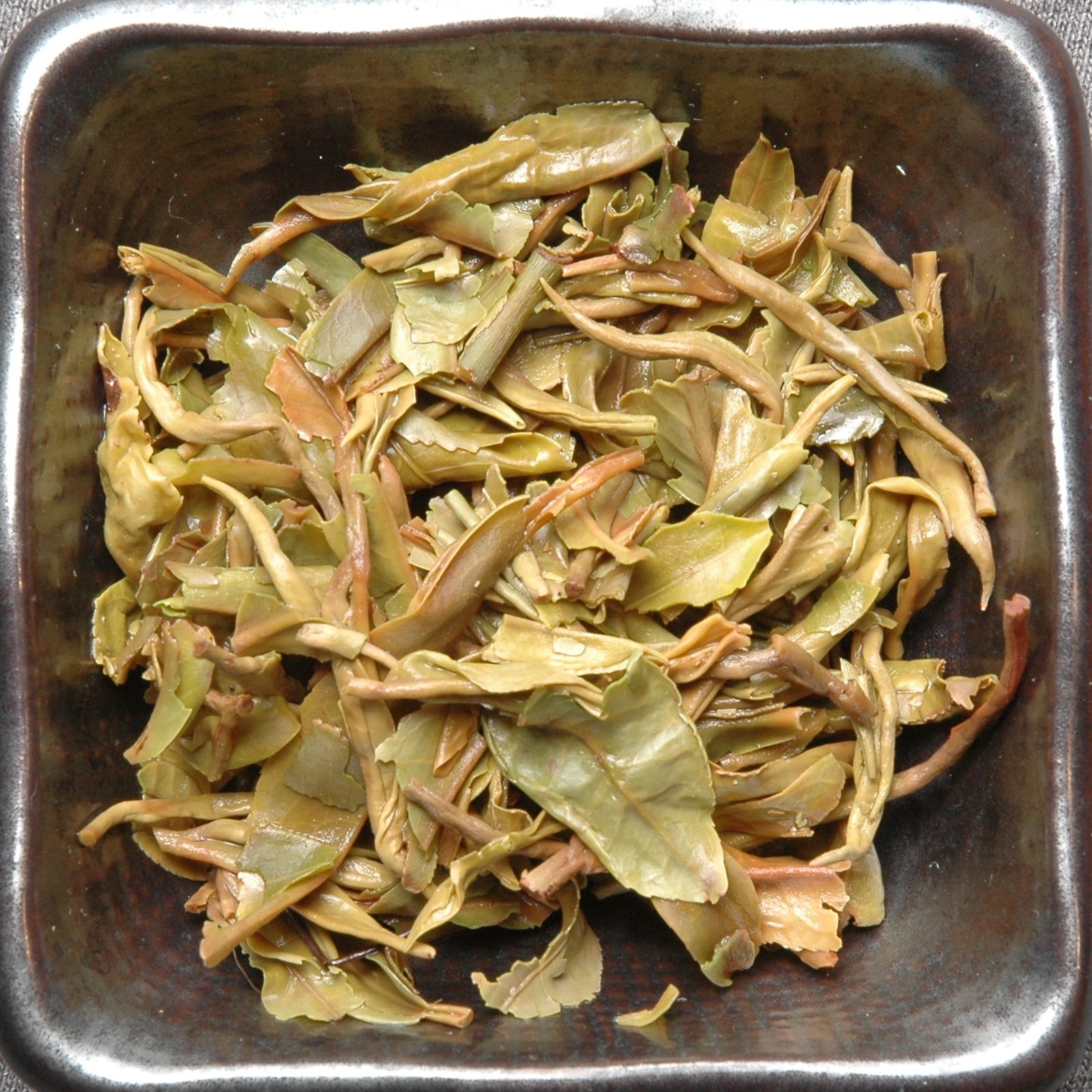
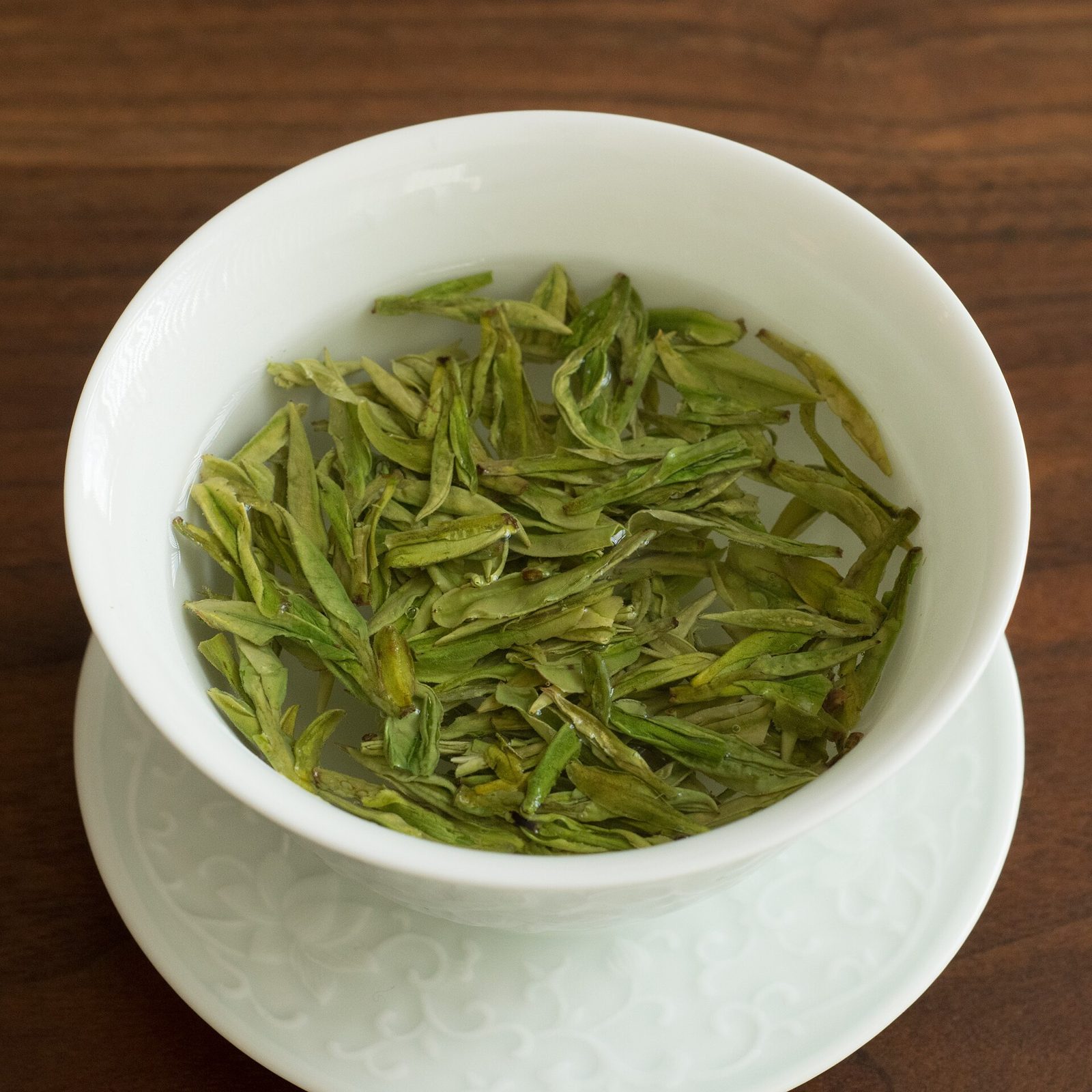
Pour on hot water and the process reverses before your eyes. The leaf drinks, softens, swells and uncurls, and what was dried on goes into solution. A small, hard strand slowly turns back into something that looks like a leaf again. Tea people call this the “agony of the leaves”, a very dramatic name for one of the most relaxing things you can watch in a glass teapot.
Why does the size of the leaf matter?
Mainly because of surface area. Break a leaf into tiny pieces and far more of it is exposed to the water at once, so everything comes out faster. That has been measured.
A 1985 study in the Journal of the Science of Food and Agriculture sieved black teas into different sizes and timed the extraction. As the pieces got smaller, theaflavin (one of the pigments behind black tea’s colour and brisk taste), caffeine and theobromine all came out about 2.2 times faster. Caffeine was also quicker to leave the leaf than theaflavin, so the balance in the cup shifts as the brew goes on.
In practice, that gives each size its own character. Small pieces colour the water almost at once and give a strong, dark cup in a couple of minutes, which is exactly what they are designed to do. Dust is prized in the trade because a little goes a long way. Larger leaves give things up more gradually over several minutes, and many tea drinkers find this gives a smoother cup with more going on, although flavour is always a personal judgement.
Room matters too. A 2000 study in Food Chemistry found that the bag itself slows infusion, and noted that tea makers use smaller pieces in bags to make up for it. A follow-up study found that infusion sped up in bigger bags, up to a leaf-to-bag ratio of about 1 to 10. Large leaves need room to open, which is why they are happiest loose in a pot.
Do most teas sold in the UK offer large leaf?
No. According to the UK Tea & Infusions Association, 97.5% of the tea purchased in the UK comes in tea bags. In the 2024 Tea Census, only 16% of black tea drinkers said they mainly use loose leaf. And bags mostly hold small grades: fannings are the usual filling, along with dust and CTC. A few premium bags do contain larger leaf, but it follows that the great majority of tea bought in Britain is small-leaf tea.
There is a good reason for that. The same census found that 44% of us brew our tea for under two minutes, so a fine tea that colours the mug in moments suits the way the country drinks. Many people love that strong, quick cup. It simply means plenty of British tea drinkers have rarely seen a large leaf tea open up in the pot.
Is large leaf always better?
No, and a tea seller who says otherwise is overselling. Grade names describe how a tea looks, and two teas with the same grade can taste very different. The fannings of an expensive tea can be more flavourful than the whole leaves of a cheap one, and some excellent broken leaf teas are made on purpose.
What large leaf does give you is evidence. It is hard to hide poor material in long, whole strands, you can see exactly what you are paying for, and you get a slower brew that you can watch and adjust. Think of it as a good sign, to be confirmed by your nose and your taste buds.
How can you spot a high-quality tea?
You don’t need any training for this. All you need is a white plate, a few minutes and a kettle.
- Look for shape. Tip a teaspoon onto a white plate. In large leaf tea you should recognise twisted strands of leaf. Round beads or fine specks tell you it has been cut small.
- Check how even it is. Good sorting gives pieces of a similar size. A few small bits at the bottom of a bag are normal, but a lot of powder suggests a lower grade or rough handling.
- Smell it dry. Fresh black tea smells malty, warm and a little sweet. A flat, dusty or musty smell usually means old or poorly stored tea.
- Watch the colour. Hold the hot brew up to the light. You want a clear, bright cup with depth. It may turn hazy as it cools, which is normal for many black teas.
- Taste it plain. Try a sip without milk or sugar. Good tea tastes smooth and rounded with a clean finish. Harsh bitterness can mean a poor tea, or simply one brewed too long.
- Look at the wet leaf. After brewing, tip the leaves out. Large leaf tea opens up, and you can often see the shape of real leaf again. Professional tasters inspect the wet leaf too.
Where does Azercay fit in?
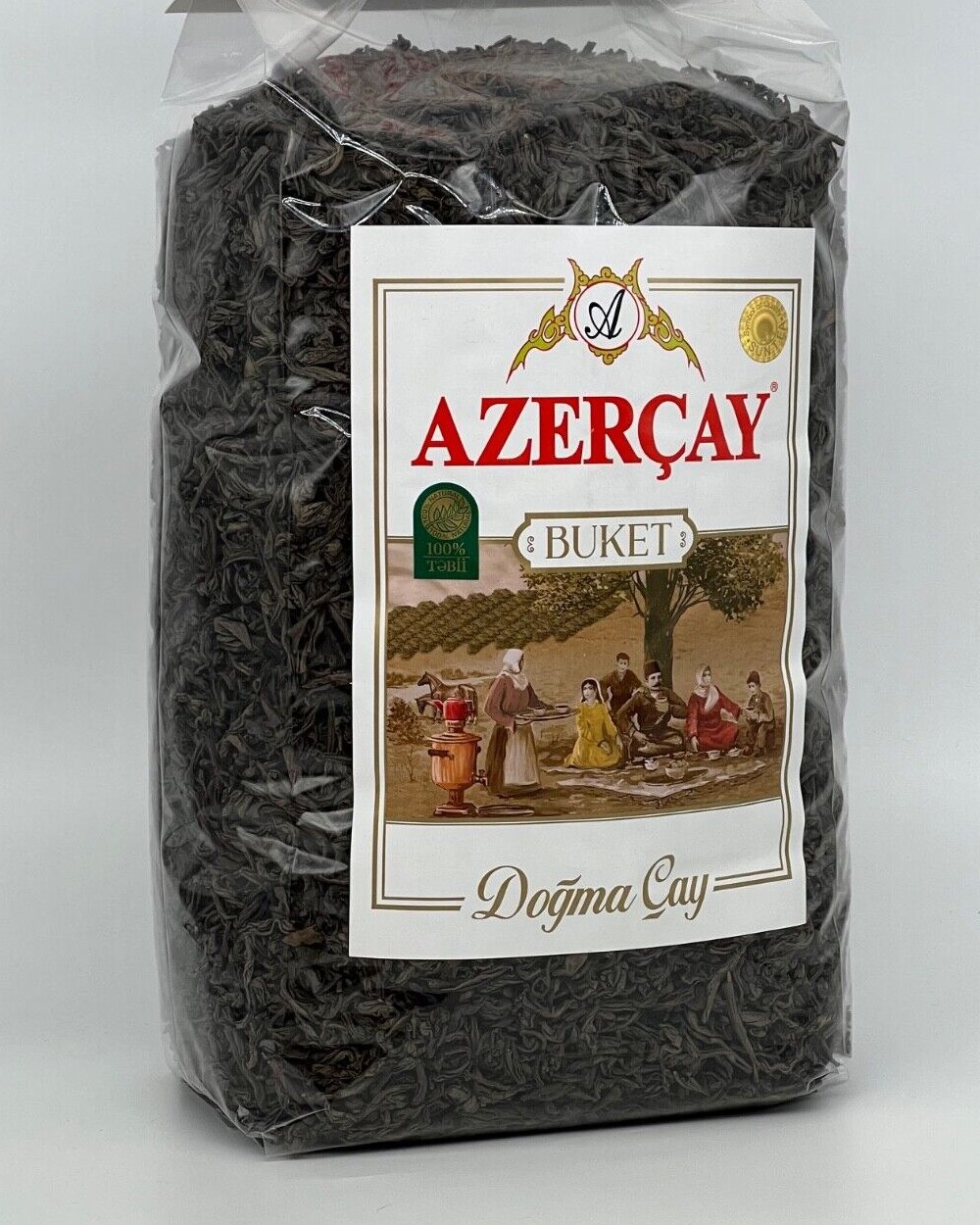
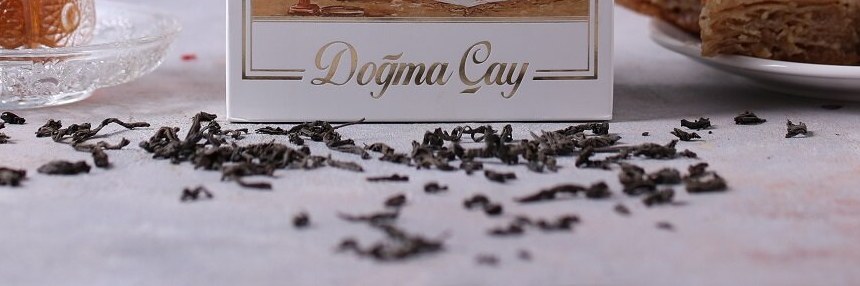
Azercay has been made by the Sun Tea factory in Azerbaijan since 1996, and our best known tea is Azercay Buket, also spelled Bouquet. It is a large leaf loose black tea, which its maker describes as a mix of long-twisted orange pekoe (OPA) teas. Nothing else goes in: the ingredient is simply black large-leaf tea.
You will see the difference as soon as you open the bag, because those long strands fill the transparent packet. In a warm pot they open slowly and brew a clear, reddish cup that is smooth enough to drink without milk. In Azerbaijan, that is how it is usually served, often in a pear-shaped armudu glass.

Which Azercay tea should you try?
- Buket large leaf black tea. Our classic, in 100 g, 250 g, 500 g and 1 kg transparent bags, plus 100 g and 450 g boxes.
- Classic Black loose leaf. A 100 g pack for everyday pots.
- Tea with Thyme. Black tea with thyme, a much-loved Azerbaijani flavour for colder months.
- Green Tea with Jasmine. A fragrant choice when you want something lighter.
- Buket and Bergamot tea bags. For busy mornings. Like most tea bags these use smaller pieces, so they brew faster.
Large leaf rewards a little patience. Use a heaped teaspoon per person, give it plenty of room and let it brew for 5 to 7 minutes in a warm teapot. Our step-by-step brewing guide shows you how, and if you want the wider picture, we have also looked at how Britain drinks its tea.

Frequently asked questions
What makes a tea high quality?
Four things matter most: the plant and where it grows, how carefully the leaves are picked, how skilfully they are processed, and how much of the leaf survives to the packet. Leaf size is only one part of quality, but it is the part you can check with your own eyes.
What does large leaf tea mean?
It means the finished tea is made of long, whole or nearly whole pieces of leaf, usually twisted into strands. It describes the size of the pieces in the packet. It does not mean the leaves were old or big when they were picked.
Is loose leaf tea better than tea bags?
Loose leaf usually gives bigger pieces and more room to open up, so many tea lovers prefer it. Tea bags are quicker and very convenient, and some good teas come in bags. The best choice depends on how you like to drink your tea and how much time you have.
What do OPA, OP and BOP mean on tea?
They are grade names that describe the size and look of the leaf. OP stands for Orange Pekoe, a whole leaf grade, and it has nothing to do with oranges. OPA is a bolder, longer version. BOP stands for Broken Orange Pekoe, which means smaller broken pieces.
What is the agony of the leaves?
It is the old tea term for the moment dried leaves soak up hot water and uncurl. Large leaf tea is the best place to see it, especially in a glass teapot.
Why does large leaf tea take longer to brew?
Hot water has less exposed surface to work on, and flavour has further to travel out of each piece. Research on sieved black tea found that smaller pieces gave up their compounds about twice as fast. Give large leaf tea around 4 to 7 minutes in a pot.
Is Azercay a large leaf tea?
Yes. Azercay Buket, also spelled Bouquet, is a large leaf loose black tea described by its maker as a mix of long-twisted orange pekoe (OPA) teas. It comes in 100 g, 250 g, 500 g and 1 kg bags and in 100 g and 450 g boxes.
Next time you make a pot, take a moment before the water goes in. Have a look at the leaf, then have another look once it has brewed. It only takes a minute, and you may never look at a cup of tea in quite the same way.
Sources
- UK Tea & Infusions Association, Tea Facts
- UK Tea & Infusions Association, Tea Census 2024, reported by World Tea News
- Price and Spiro (1985), Kinetics and equilibria of tea infusion: rates of extraction of theaflavin, caffeine and theobromine from several whole teas and sieved fractions, Journal of the Science of Food and Agriculture
- Jaganyi and Mdletshe (2000), Kinetics of tea infusion, part 2: the effect of tea-bag material, Food Chemistry
- Jaganyi and Ndlovu (2001), Kinetics of tea infusion, part 3: the effect of tea bag size and shape, Food Chemistry
- Jayaratnam (1975), Tea Quarterly 45, Tea Research Institute of Sri Lanka (sieve sizes for BOP, BOPF and Dust)
- Wikipedia, Tea leaf grading
- Wikipedia, ISO 3103 (standard method for brewing tea for tasting)
- Tea Guardian, Quality Basics 3: The Myths of Grades