How Britain drinks tea: the numbers, the habits and the case for loose leaf black tea
We still put the kettle on more than 100 million times a day. But how we drink tea is changing, and the humble cuppa has more room for improvement than most of us think.
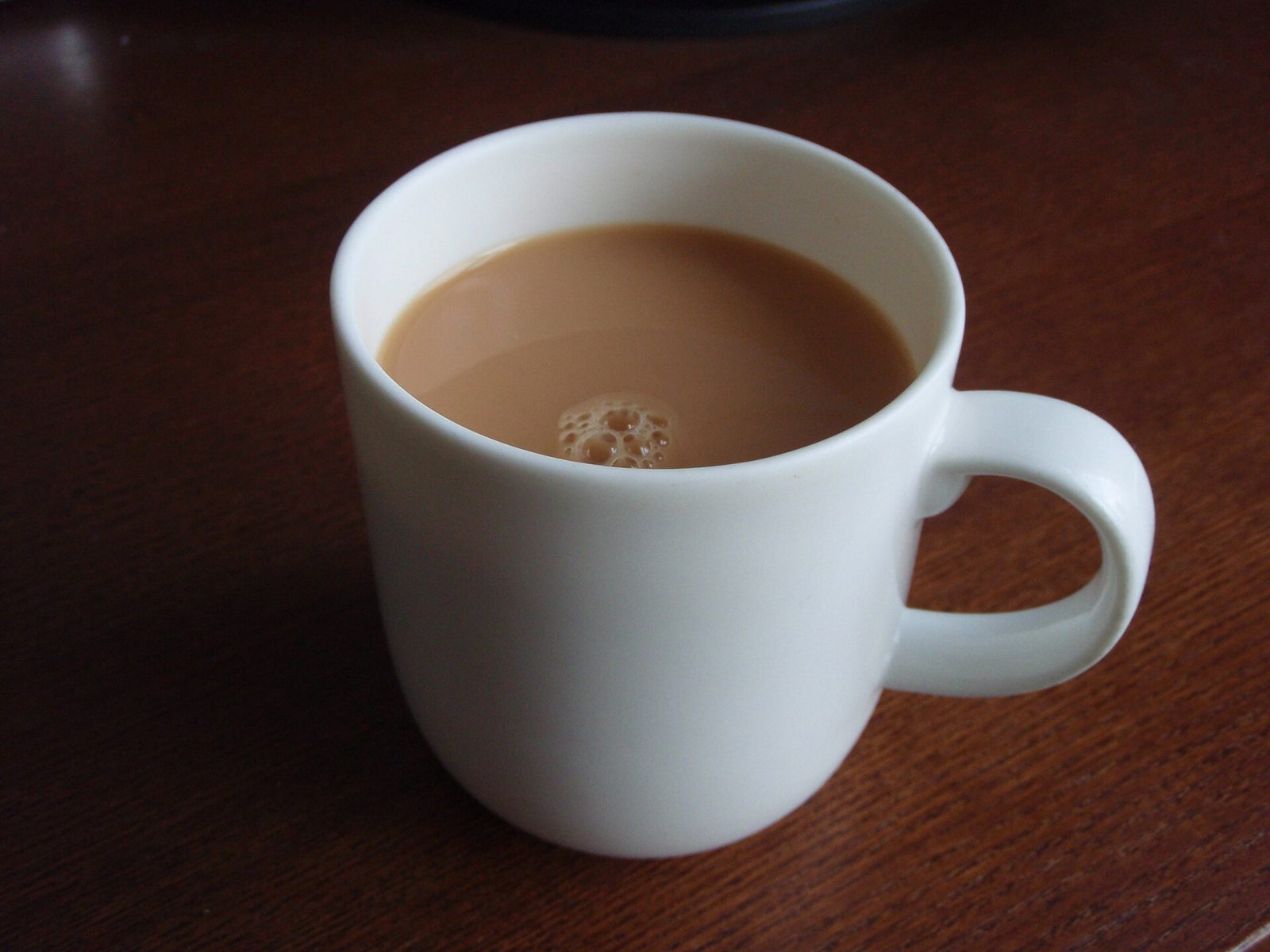
Few things are as British as a cup of tea. It is what we make when there is good news, bad news or a builder in the kitchen. It is how most of us start the day, and for many it is the last thing before bed.
Yet tea in Britain is quietly changing. We drink less of it than our grandparents did, younger people are drifting towards coffee and herbal blends, and at the same time a growing number of tea drinkers are swapping the tea bag for loose leaf. So what does the nation’s tea habit actually look like today, and how can you get a better cup out of the same kettle?
Is Britain still a nation of tea drinkers?
Broadly, yes. The UK Tea & Infusions Association (UKTIA), the industry body, estimates that we drink more than 100 million cups of tea a day, just ahead of around 98 million cups of coffee. A YouGov study published in 2025 found that 41% of British adults drink tea at least twice a day, a hair above the 40% who say the same of coffee.
The long view is less cosy. Government food surveys suggest that in the mid-1970s each of us got through nearly 70 grams of tea a week at home. By 2022 household purchases had fallen to about 22 grams, roughly a third of the old figure. Some of that is the rise of coffee, some is the café on every high street, and some is simply that a modern tea bag holds less leaf than the loose tea our grandparents spooned into the pot.
Tea is still the drink most of us reach for at home. It just has more competition than it used to.
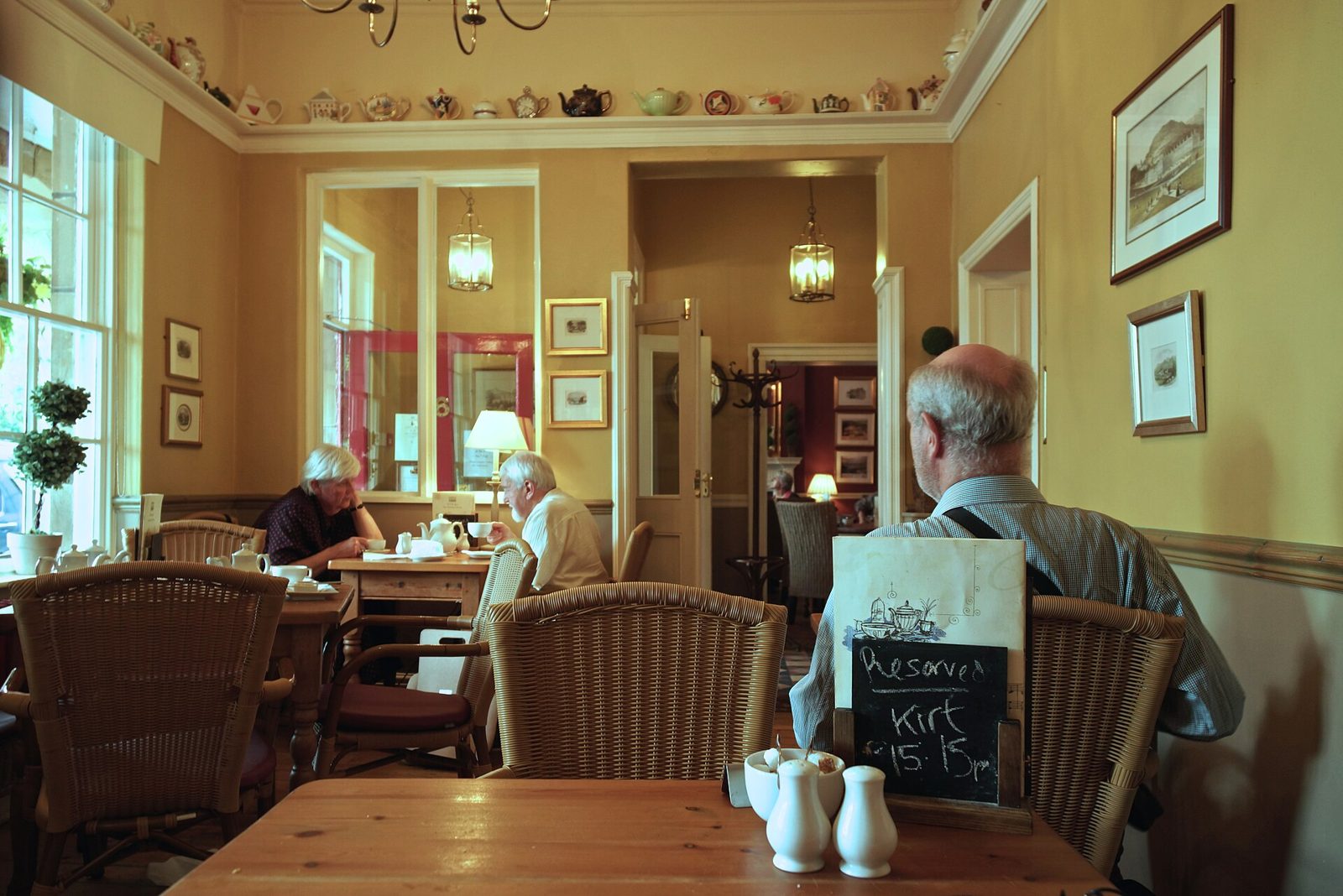
Who drinks the most tea?
Age makes a big difference. In YouGov’s 2025 data, around a third of Gen X and Baby Boomers drink tea every day, compared with about one in nine of Gen Z.
| Baby Boomers | 32% |
|---|---|
| Gen X | 31% |
| Millennials | 23% |
| Gen Z | 11% |
Younger drinkers are also more adventurous. Gen Z daily tea drinkers are far more likely than average to drink green, fruit and herbal teas. But it would be wrong to write off black tea. Among daily tea drinkers, about three in four Millennials and Gen Z still drink English breakfast, which is a blend of black teas. The classic cup now simply shares the cupboard.
How did tea become Britain’s drink?
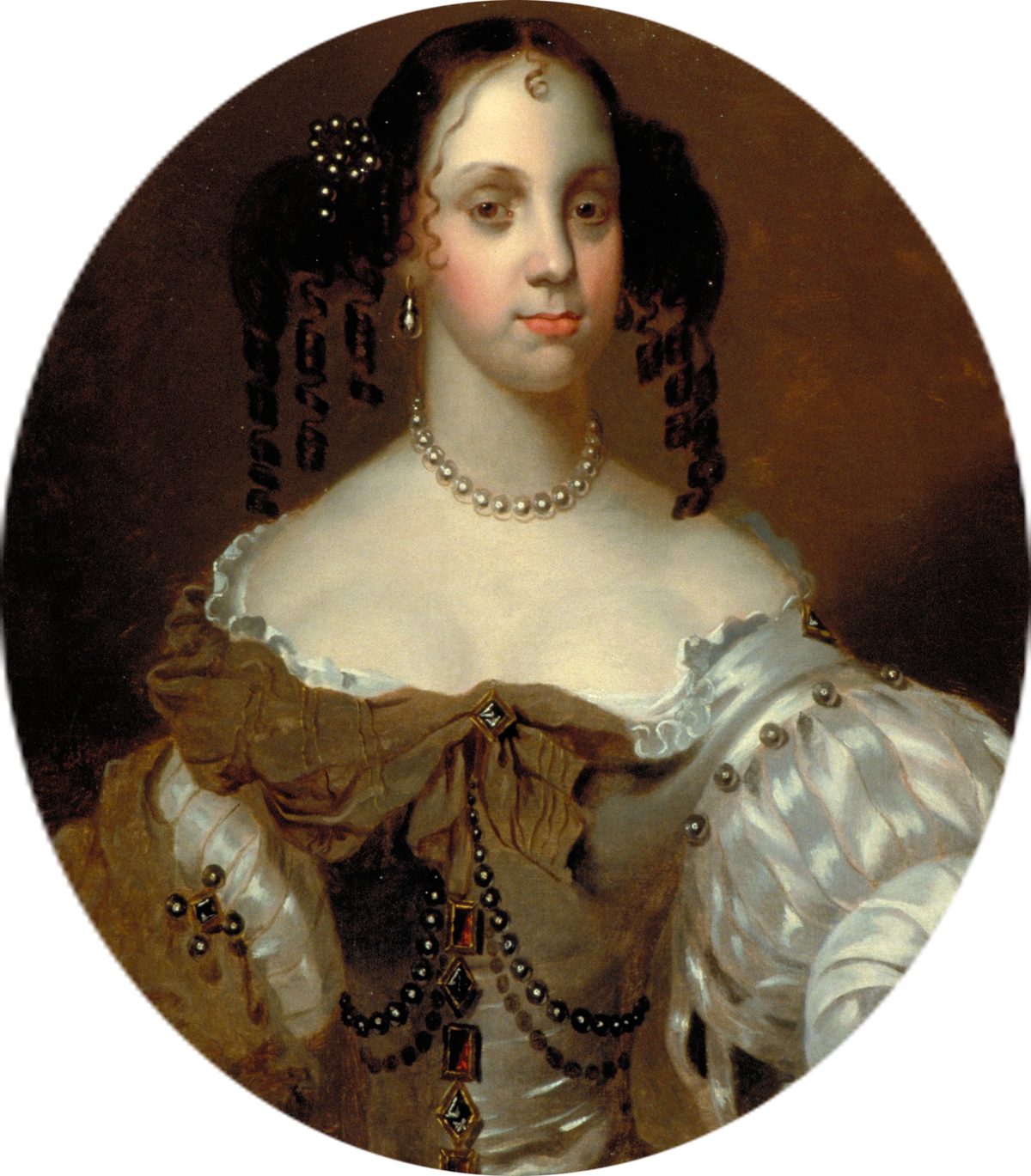
Tea first went on sale in London in the 1650s, sold as an exotic and expensive tonic in coffee houses. It became fashionable after 1662, when Catherine of Braganza, the Portuguese princess who married Charles II, brought her taste for it to the English court.
For the next two centuries tea was a luxury, heavily taxed and widely smuggled. Prices fell in the nineteenth century as plantations spread across India and Ceylon (now Sri Lanka), and fast sailing ships called clippers raced each new season’s harvest back to London. Afternoon tea arrived in the 1840s, and by the twentieth century tea was the drink of every class, every factory floor and every army canteen. Tea bags reached British shops in the 1950s and slowly took over; today they dominate the supermarket shelf.

Milk, sugar and the great British brew
The UK is one of the few countries where milk in black tea is the norm. According to UKTIA’s 2024 Tea Census, about three in four black tea drinkers add milk, most often semi-skimmed. Around 24% take their black tea without milk at all.
We are also impatient. The same census found that 18% of people brew their tea for less than a minute and another 26% for one to two minutes. Only 7% wait the three to four minutes that tea experts recommend. That matters more than it sounds. A rushed brew gives colour without much flavour, which is often why tea needs milk and sugar to taste of anything.
| Under 1 minute | 18% |
|---|---|
| 1 to 2 minutes | 26% |
| 3 to 4 minutes | 7% |
Tea bags or loose leaf tea?
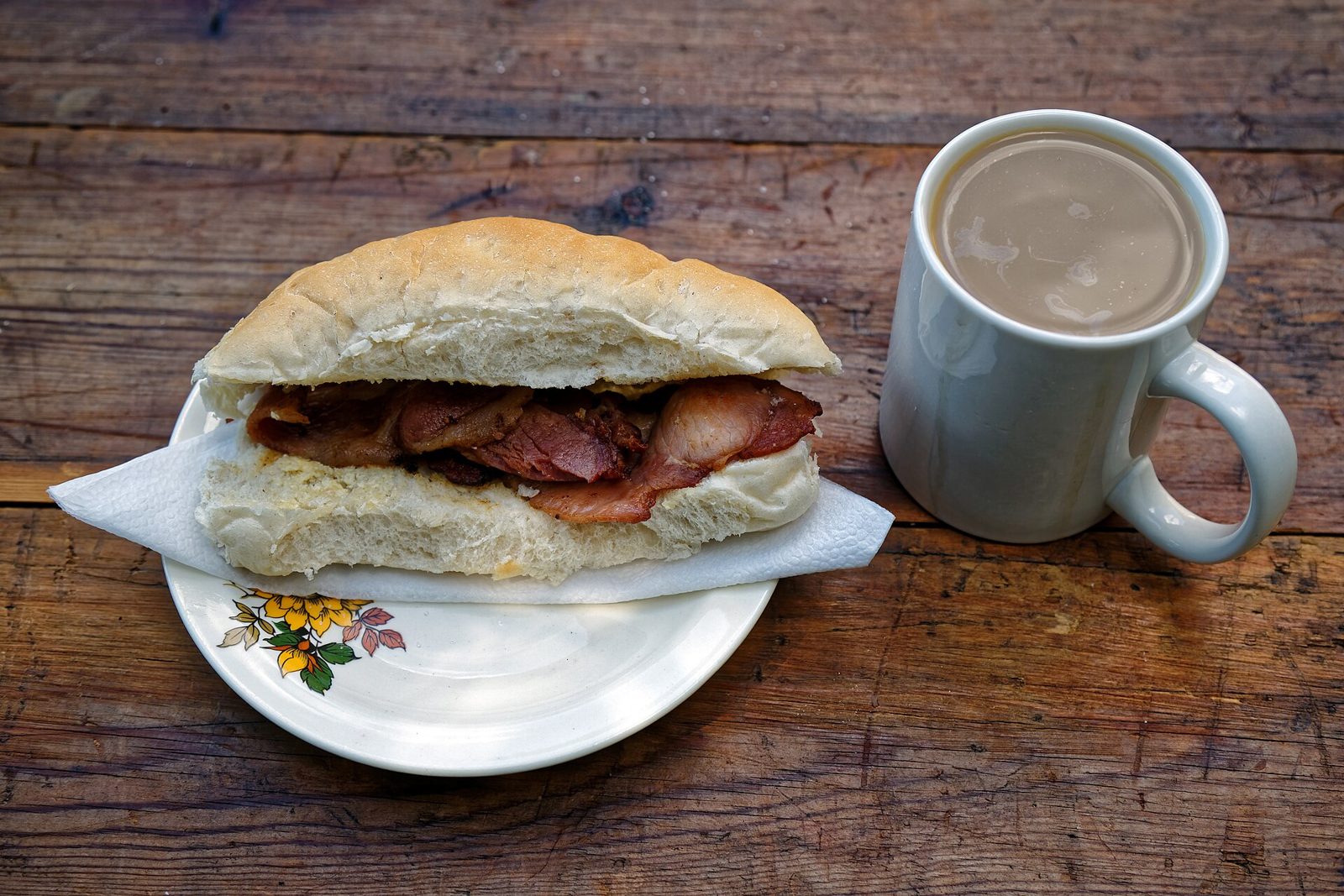
Tea bags win on convenience, and the numbers show it: 84% of black tea drinkers mainly use them. But 16% now choose loose leaf, and the trend is strongest among people in their thirties and early forties.
| 18 to 29 | 16% |
|---|---|
| 30 to 44 | 27% |
| 45 to 59 | 12% |
| 60 and over | 10% |
Why the switch? People tend to give three reasons.
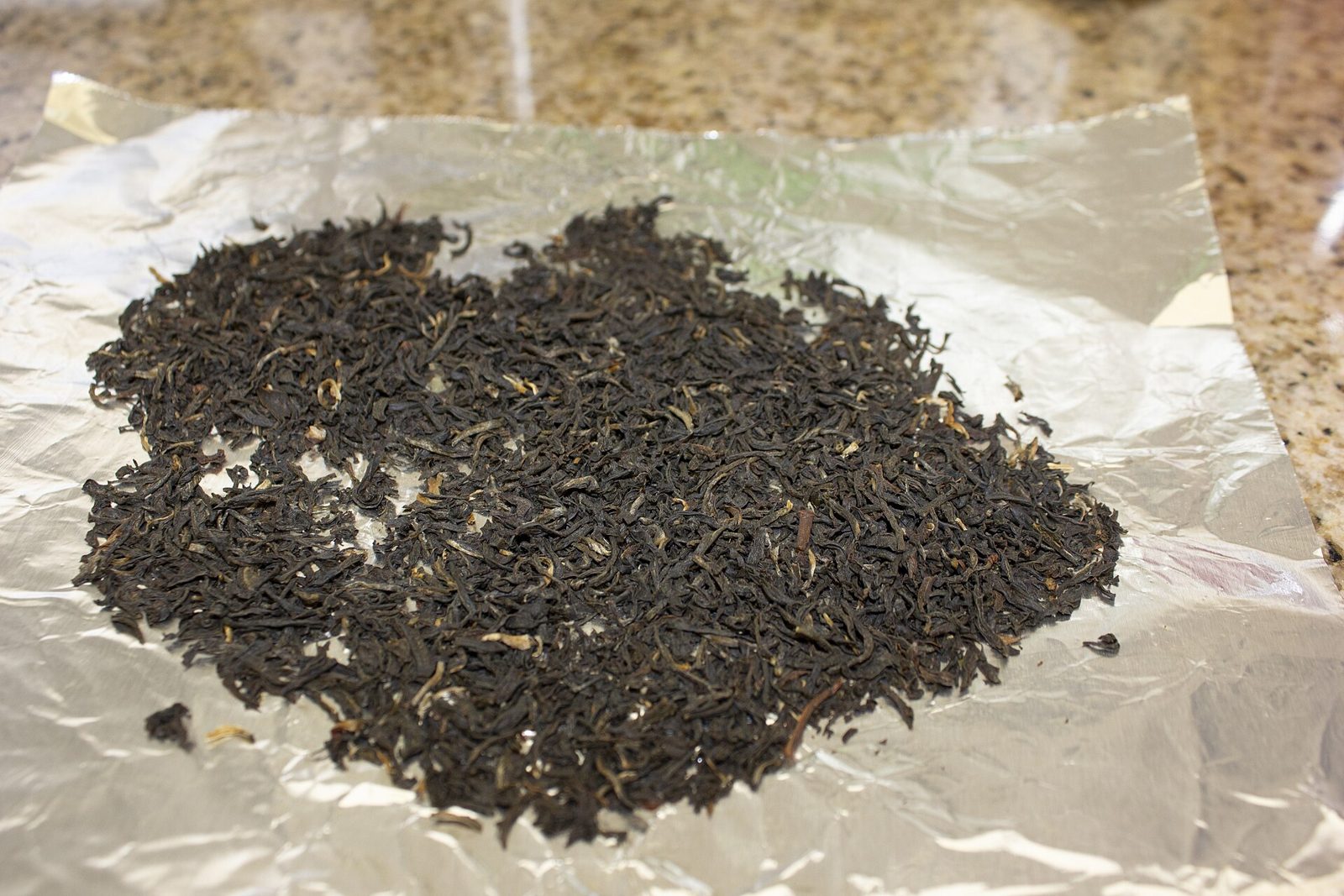
- Flavour. Most tea bags are filled with very small pieces of leaf, which brew fast and strong but can turn bitter. Loose leaf tea usually uses larger pieces that open up slowly in the pot, giving a smoother, rounder taste.
- Less waste. Some tea bags still use plastic to seal them. Loose leaf goes straight on the compost heap.
- Value. Good loose tea can be steeped generously, and a 250 gram bag goes a long way. Per cup, it is often cheaper than premium tea bags.
None of this means tea bags are bad. A good bag brewed properly beats careless loose leaf every time. But if your tea has started to taste flat, loose leaf is the easiest upgrade there is.
So if you have never tried it, give loose leaf a go this week. You need nothing more than a teapot or a simple infuser, and the ritual is half the pleasure: measuring the leaves, watching them open, pouring a cup that tastes of the tea rather than the bag. Most people who switch for a week don’t switch back.
It is also why we sell Azercay the way we do. We offer top-quality loose leaf tea for when you have time to brew properly, and tea bags for the busy mornings when you don’t, so you never have to choose between a good cup and a quick one.

What actually is black tea?
All “true” tea, black, green or white, comes from the same plant, Camellia sinensis. What makes black tea black is oxidation: after picking, the leaves are rolled and left exposed to the air, which darkens them and develops the deep, malty flavours we associate with a proper cuppa. Green tea is heated soon after picking to stop that process.
Most of the black tea drunk in Britain comes from East Africa, especially Kenya, and from India and Sri Lanka. Each region has its own character. Assam is bold and malty, Ceylon bright and brisk, Kenyan tea strong and quick to colour. Smaller tea-growing countries have their own styles too, and that is where Azerbaijan comes in.
Where does Azercay fit in?
Azercay is black tea from Azerbaijan, grown and processed around Lankaran, a humid corner of the country between the Talysh Mountains and the Caspian Sea. Its classic blend, Buket, is a large-leaf loose tea made the traditional way. It brews a clear, reddish cup that is smooth rather than harsh, which is exactly why most Azerbaijanis drink it without milk. (We wrote more about that in our guide to Azerbaijani tea culture.)
For a British tea drinker it sits somewhere comfortable. It is strong enough to take milk if you want it, but gentle enough to try black, and it holds up well to a longer brew without turning bitter. If you like a breakfast tea but have never been tempted by loose leaf, it is an easy place to start.
Black tea is only part of the story, though. Azercay also makes a delicate green tea with jasmine, lighter and more floral than a breakfast blend, along with black teas flavoured with mountain thyme or bergamot. The range covers both loose leaf and tea bags.
We now send Azercay to tea drinkers right across the country, from the Isle of Wight to Shetland. Some of our customers grew up with it. Many more simply wanted a better everyday black tea and found us by chance.


How do you make a really good cup of tea?
You don’t need special kit. These are the habits that make the biggest difference, whatever tea you buy.
- Start with fresh, cold water. Water that has been boiled again and again tastes flat, and many tea tasters say it makes duller tea.
- Know your water. Much of southern and eastern England has hard water, which can leave a scummy film and mute the flavour. A simple filter jug helps a lot. If you live in Scotland, Wales or the north of England, your softer water is already doing you favours.
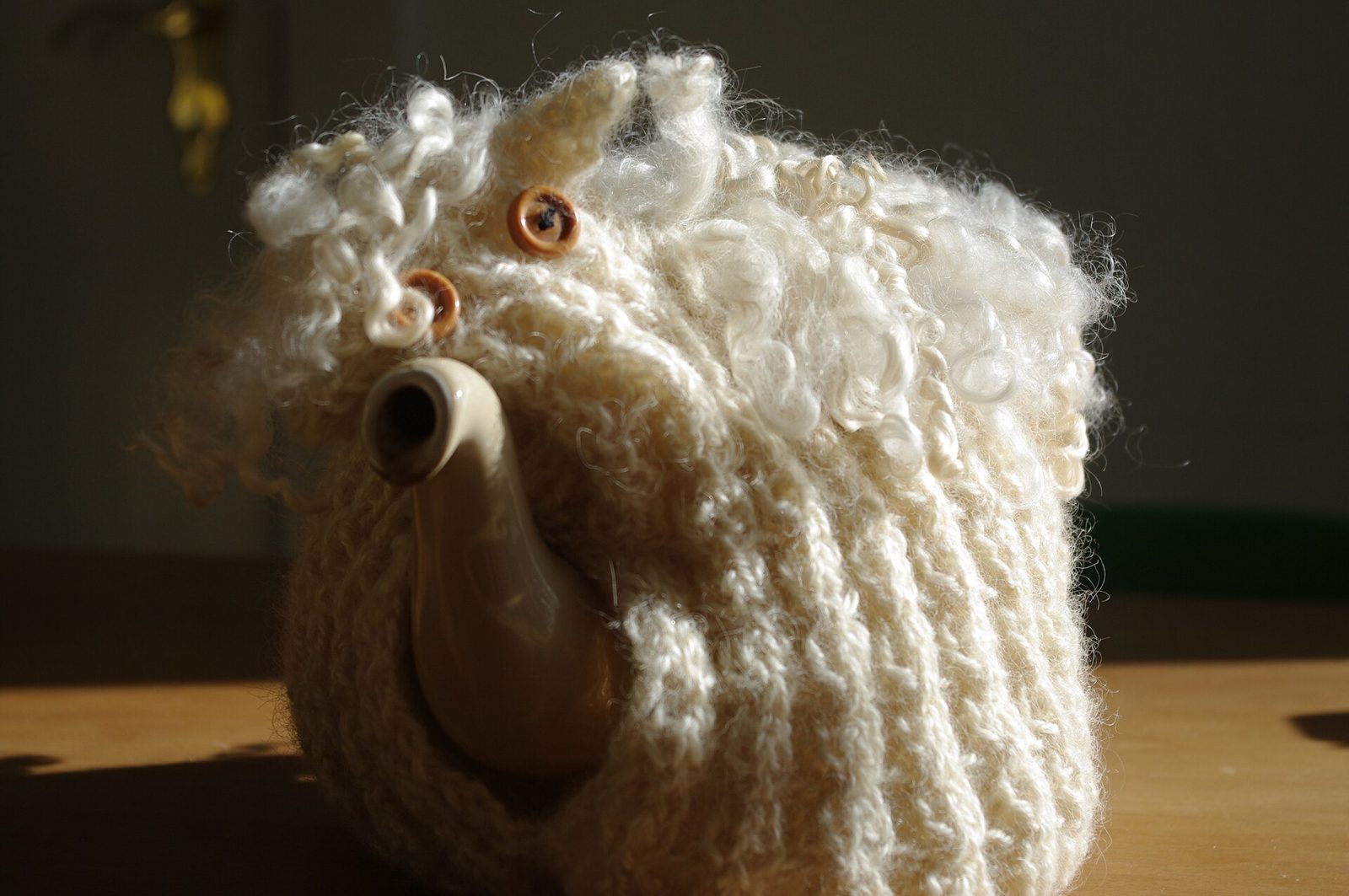
- Warm the pot. Swirl a little hot water round the teapot first, so the brew doesn’t cool too fast.
- Measure the tea. One heaped teaspoon of loose leaf per person is a good starting point, and “one for the pot” if you like it strong.
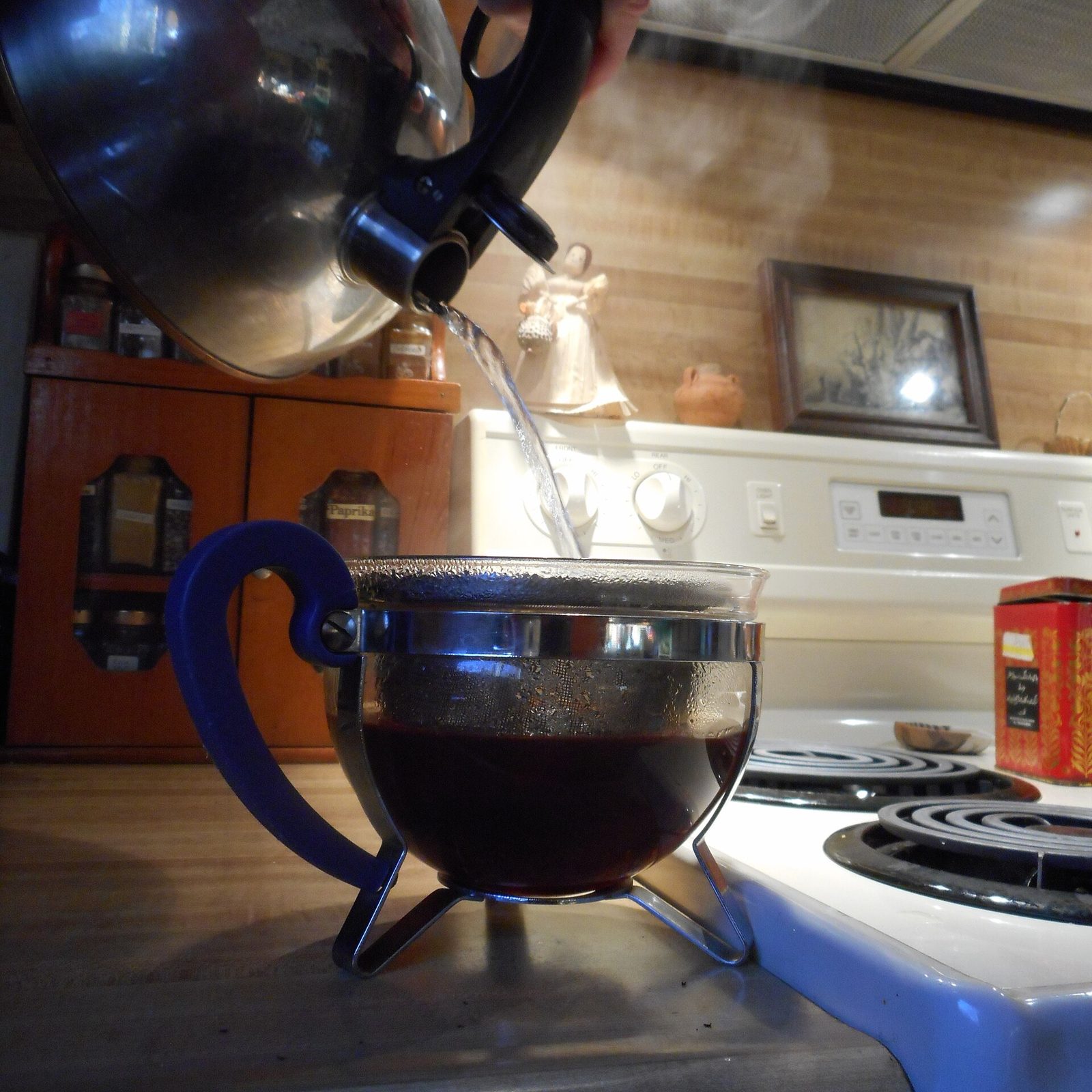
- Use water just off the boil. Black tea needs hot water to brew properly. Green tea prefers it cooler.
- Give it time. Three to four minutes for most black teas, four to five for large leaves. Set a timer if you have to.
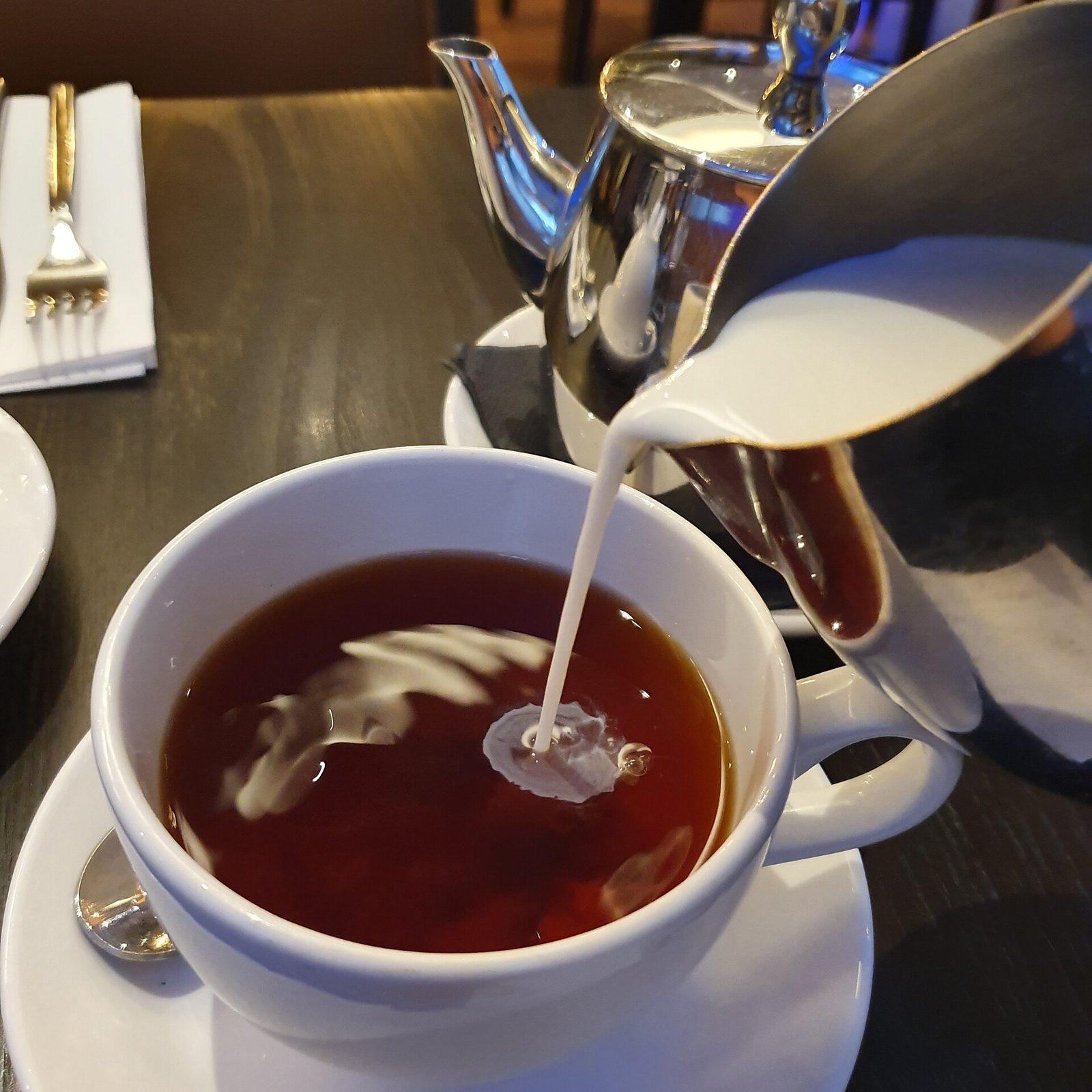
- Milk last, if you brew in a mug. Adding cold milk first cools the water before the tea has had a chance to brew. And try your next cup without milk at all; a good black tea often doesn’t need it.
- Don’t leave it stewing. Pour all the tea off the leaves, or use an infuser you can lift out, so the last cup isn’t bitter.
- Store it well. Keep tea in an airtight tin, away from light, heat and strong smells such as coffee or spices. Tea absorbs odours easily.
Frequently asked questions
How many cups of tea do people in the UK drink a day?
Around 100 million, according to the UK Tea & Infusions Association. That is still slightly more than coffee, which the same source puts at about 98 million cups a day.
Is loose leaf tea better than tea bags?
Not automatically, but it often tastes better. Loose leaf tea is usually made of larger pieces of leaf that have room to open up in the pot, which tends to give a smoother, rounder cup. Tea bags are faster and tidier. Good loose leaf also avoids the plastic that some tea bags still use.
How long should I brew black tea?
Three to four minutes is the usual advice for a cup of black tea, and larger loose leaves can take four or five. In the 2024 Tea Census only 7% of people said they brew for that long.
Should milk go in before or after the tea?
If you brew in a mug, add milk last so the water stays hot enough to brew the tea properly. If you pour from a pot, it is down to taste. Plenty of people never add milk to a good black tea at all.
What kind of tea is Azercay?
Azercay is a tea brand from Azerbaijan, grown and processed around Lankaran near the Caspian Sea. It is best known for black tea, especially Buket, a large-leaf loose tea that brews a bright, reddish cup smooth enough to drink without milk. The range also includes green tea with jasmine, black tea with thyme and bergamot, and tea bags as well as loose leaf.
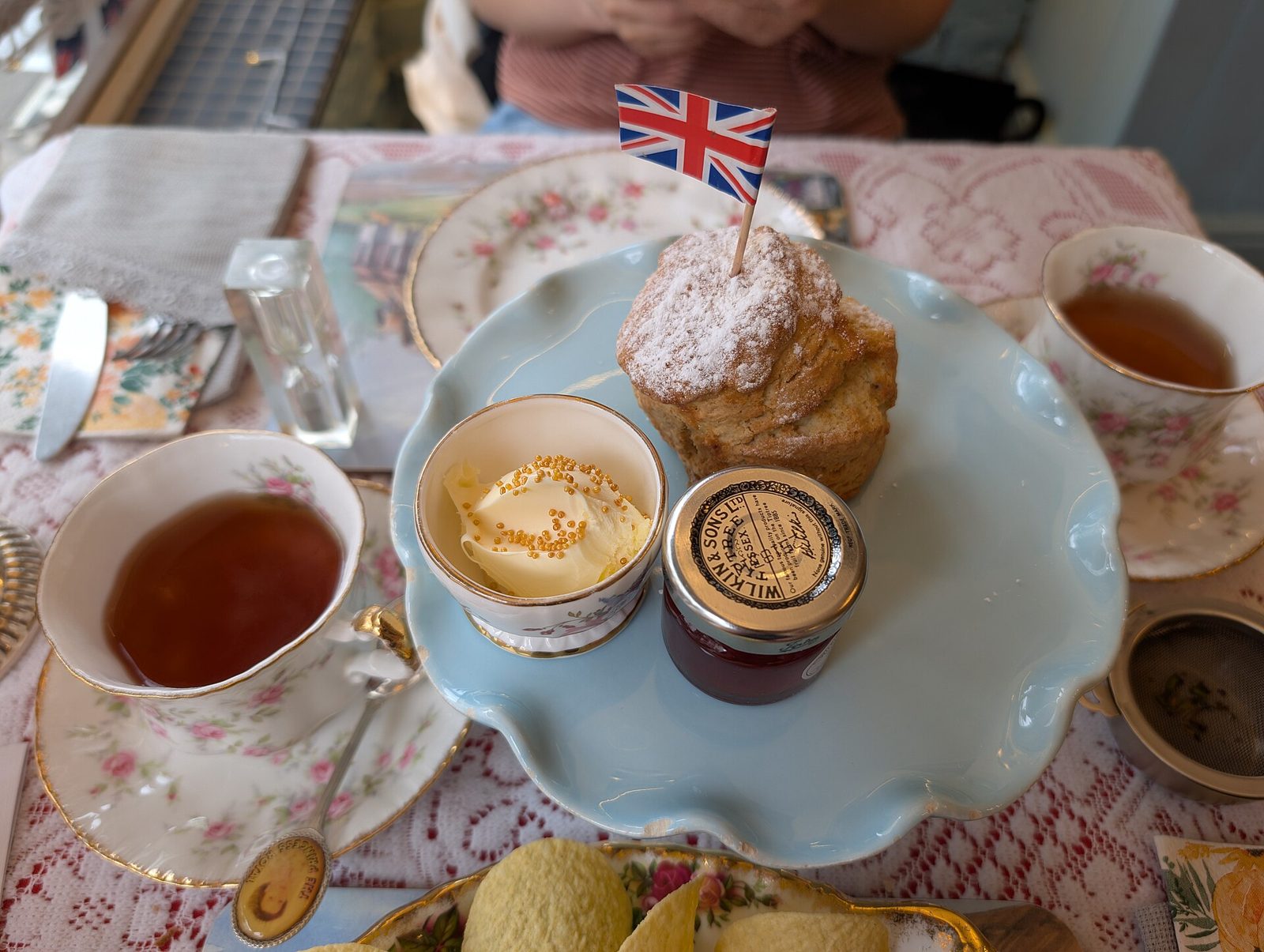
Britain’s relationship with tea has survived taxes, smugglers, rationing and the arrival of the flat white. It will survive Gen Z’s iced matcha too. What is changing is that more of us want our everyday cup to be a little better: properly brewed, from good leaf, and worth sitting down for.
So tomorrow morning, give it the full four minutes. You might be surprised how much flavour has been waiting in the pot.